Non-Compacted Cardiomyopathy in Children and Adolescents: From the Challenge of Echocardiographic Diagnosis to Clinical Follow-Up
Abstract
Background
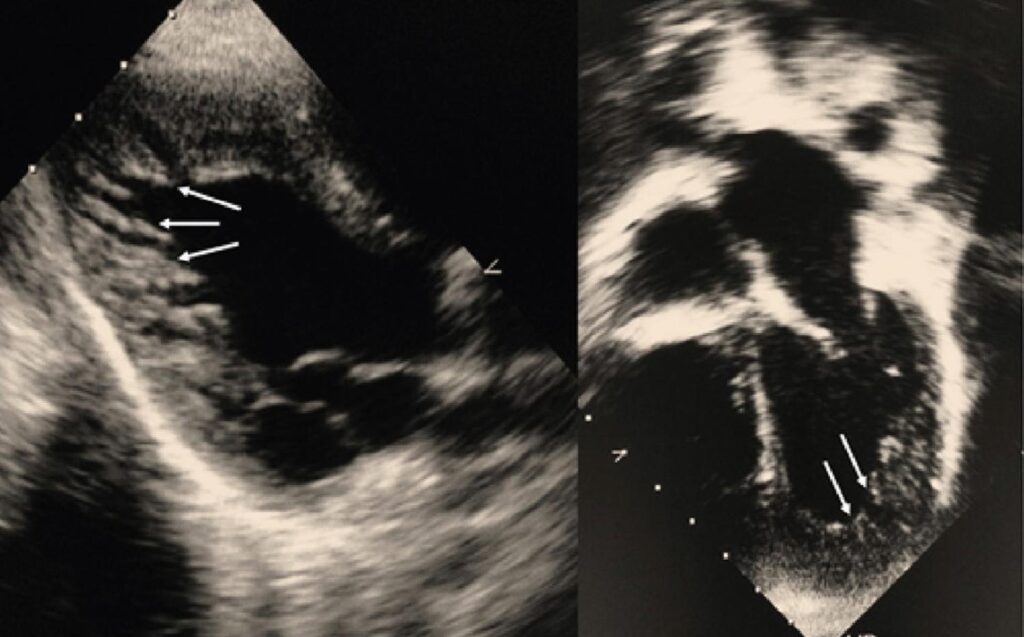
Non-compacted cardiomyopathy (NCCM) is characterized by hypertrabeculations and deep recesses in the left ventricle, with a heterogeneous clinical presentation, ranging from asymptomatic patients to those with heart failure (HF), thromboembolic events and arrhythmias with risk of sudden death. As it is rare and does not have well-defined diagnostic criteria, its natural history in pediatrics is poorly understood. This study describes the clinical presentation and clinical course of patients with NCCM.
Methodology
Observational, longitudinal, prospective study of pediatric patients seen at a pediatric cardiology referral center from metropolitan region II in the state of Rio de Janeiro, with NCCM phenotype on echocardiogram (ECHO) during a 2-year follow-up, from the ChARisMa registry.
Results
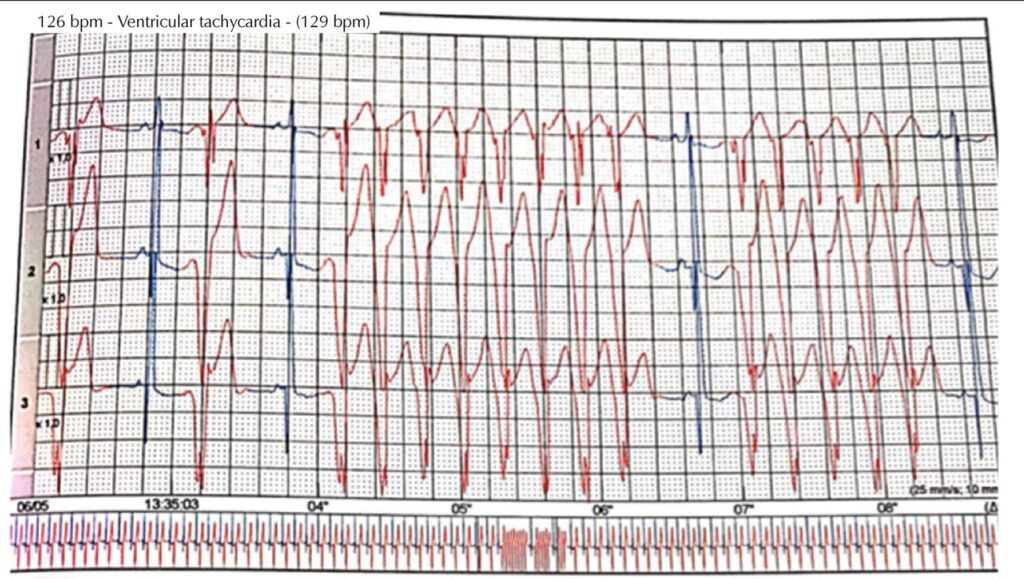
6 patients aged 4 to 14, with NCCM, were analyzed. Mean age 7.5 years (SD: 3.93), 3 males (50%). The patients presented HF (n=2), cardiac murmur (n=1), cardiac arrhythmia (n=1), were asymptomatic (n=1) or were under investigation for a genetic syndrome (n=1). Phenotypes on ECHO: NCCM/dilated cardiomyopathy (n=1) and NCCM/restrictive cardiomyopathy (n=1), isolated phenotype of NCCM (n=4). Cardiac magnetic resonance imaging was performed and confirmed the diagnosis (n=4). The outcomes observed were thromboembolism, indication for heart transplantation, and sustained ventricular tachycardia.
Conclusions
This case series provides relevant data for pediatric NCCM as it shows its heterogeneous clinical presentation and potentially fatal complications. More prospective studies are needed for an accurate diagnosis and to allow its clinical course, therapeutic response and prognosis to be better known.
Images
Image gallery fullscreen viewer
Comments are moderated by the editorial team before publication. Discussions should be evidence-based and use scientific language. Conflicts of interest should be declared.