Evaluation the In Vitro Action of Ciprofloxacin Hydrochloride, Naproxen, and Folic Acid on Trypanosoma cruzi, using Benznidazole as a Gold Standard
Abstract
Background:
Benznidazole is the only drug against Trypanosoma cruzi (T. cruzi) available in Brazil. However, it has limited efficacy and frequent side effects. Recent studies suggest that ciprofloxacin hydrochloride, naproxen, and folic acid may have beneficial effects in treating the Chagas disease.
Objective:
To assess the in vitro parasiticidal action of ciprofloxacin, naproxen, and folic acid on the Y strain of T. cruzi, using benznidazole as a gold standard.
Methods:
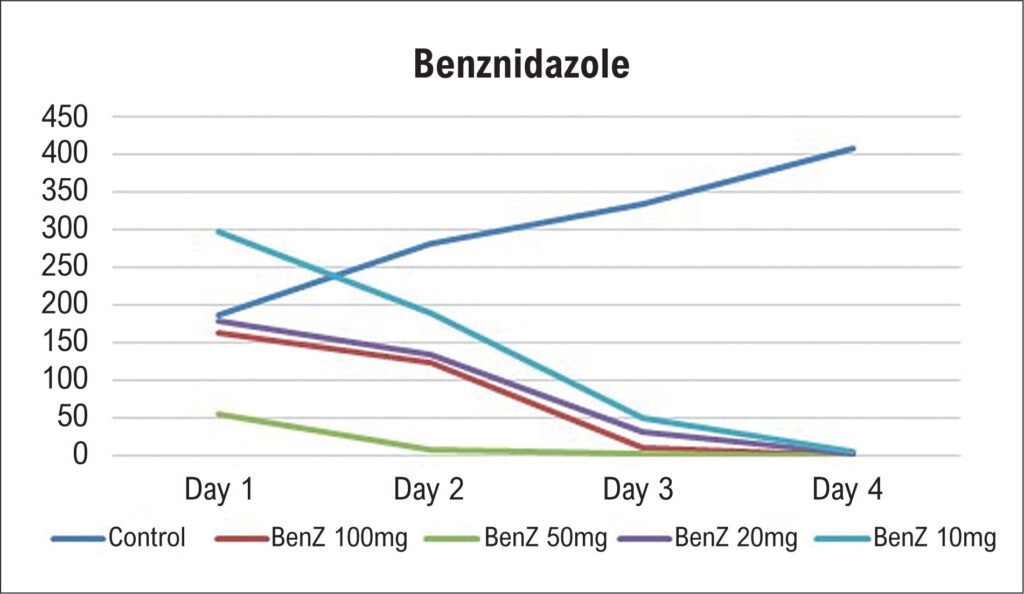
Tablets of benznidazole, ciprofloxacin hydrochloride, naproxen, and folic acid were macerated, weighed, and added to test tubes with a culture medium containing 100,000 forms per ml of T. cruzi trypomastigotes (strain Y). Samples from each tube were analyzed and counted in a Neubauer hemocytometer under an optical microscope for four days after adding the drugs. Thus, the minimum effective dose of each drug was determined.
Results:
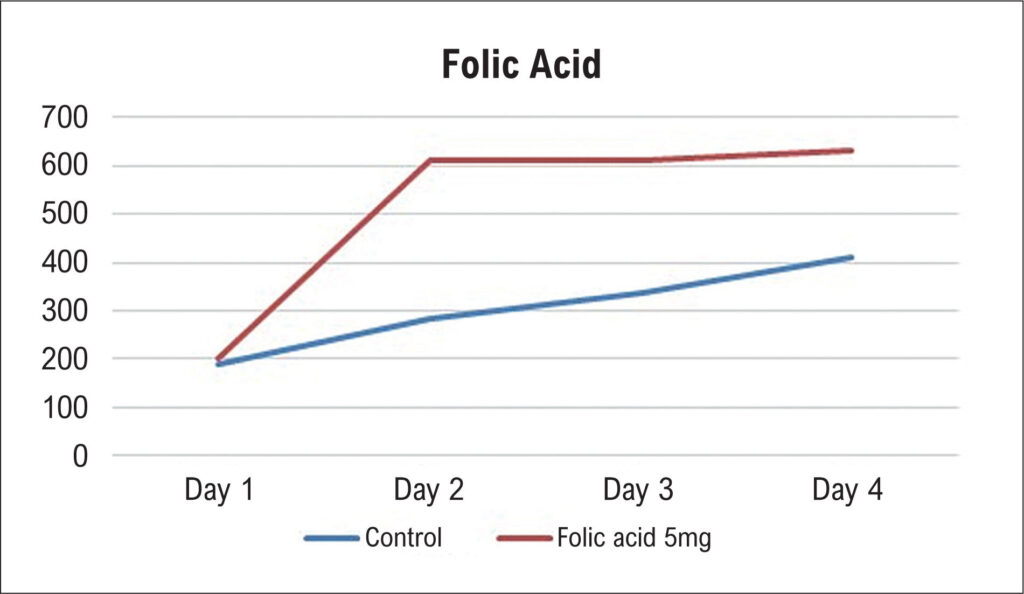
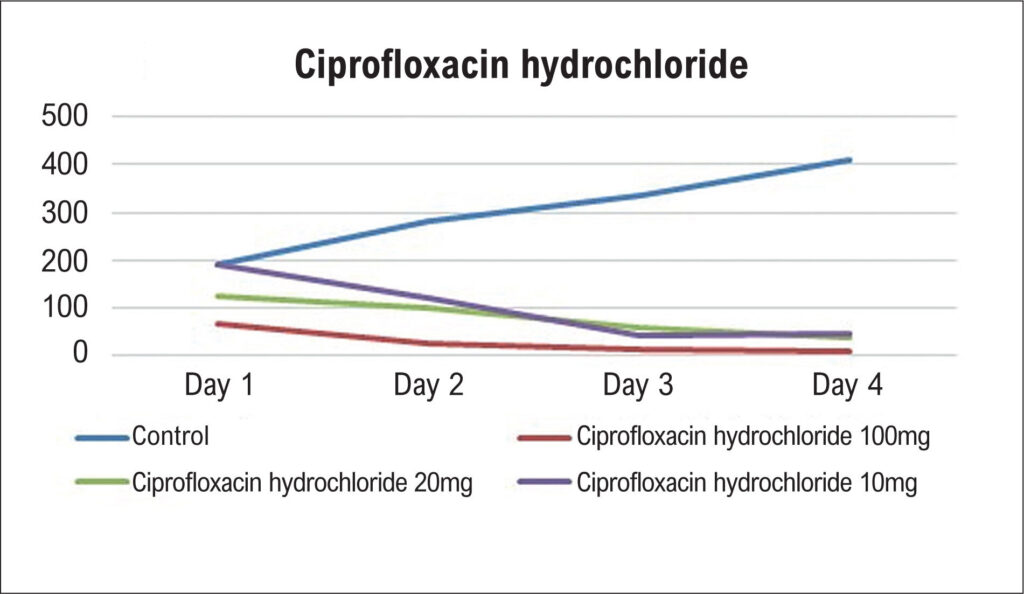
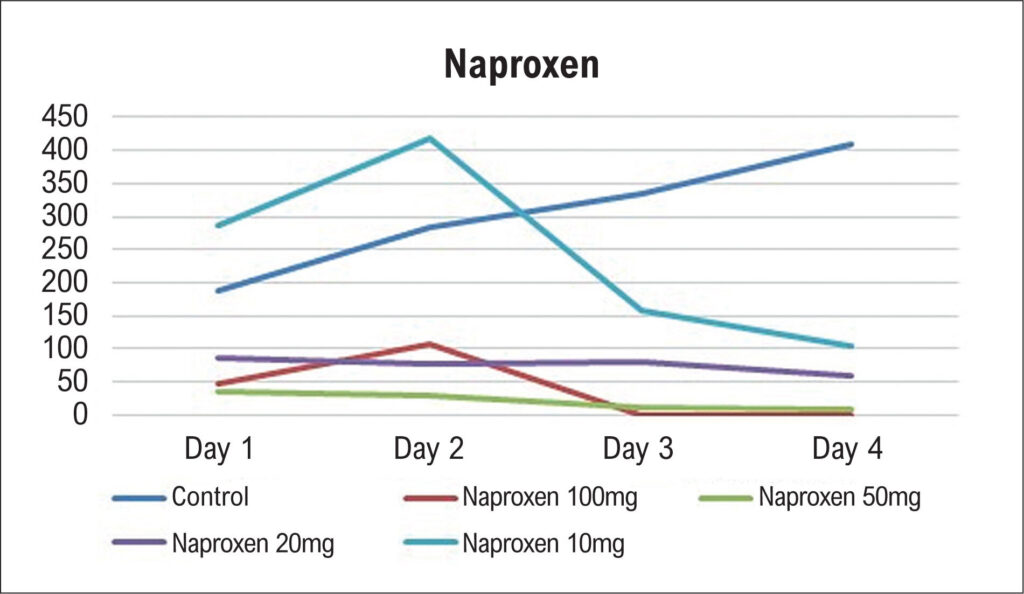
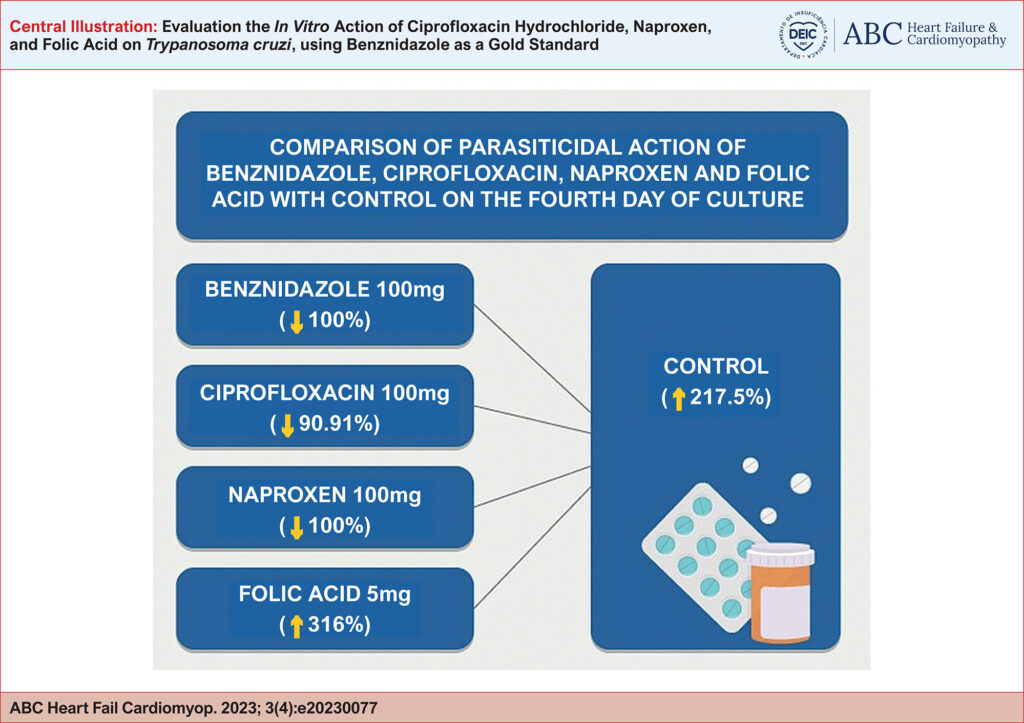
As compared with benznidazole, higher concentrations of ciprofloxacin and naproxen were effective as in vitro parasiticides. In contrast, folic acid showed no direct in vitro parasiticidal action. Hence, previous observations reporting its effectiveness are probably due to indirect action.
Conclusion:
In our experiment, ciprofloxacin and naproxen showed a trypanosomicidal effect in vitro, but folic acid did not show this effect.
Images
Image gallery fullscreen viewer
Comments are moderated by the editorial team before publication. Discussions should be evidence-based and use scientific language. Conflicts of interest should be declared.