Analysis of the SHARPEN Score in the Prediction of In-Hospital Mortality of Patients With Infective Endocarditis Undergoing Cardiac Surgery
Abstract
Background
The SHARPEN score was developed to predict in-hospital mortality in patients hospitalized for infective endocarditis (IE), undergoing or not undergoing cardiac surgery. A comparison with other available scores has not yet been carried out.
Objective
To evaluate the performance of the SHARPEN score in predicting in-hospital mortality in patients hospitalized for IE undergoing cardiac surgery and compare it with that of both nonspecific and IE-specific surgical scores.
Methods
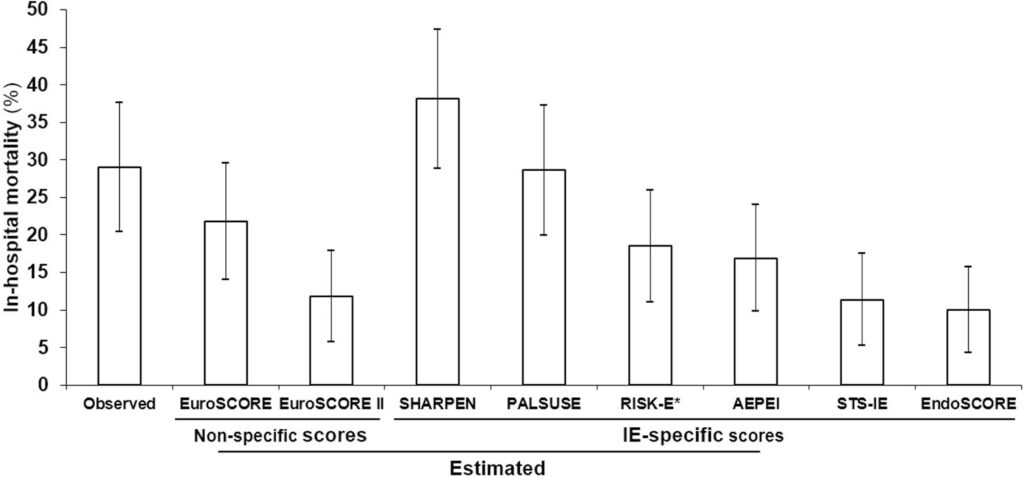
Retrospective cohort study including all admissions of patients ≥18 years who underwent cardiac surgery due to active IE (modified Duke criteria) at a tertiary care university hospital between 2007 and 2016. The SHARPEN score was compared to the EuroSCORE, EuroSCORE II, STS-IE, PALSUSE, AEPEI, EndoSCORE and RISK-E scores. Differences P<0.05 were considered statistically significant.
Results
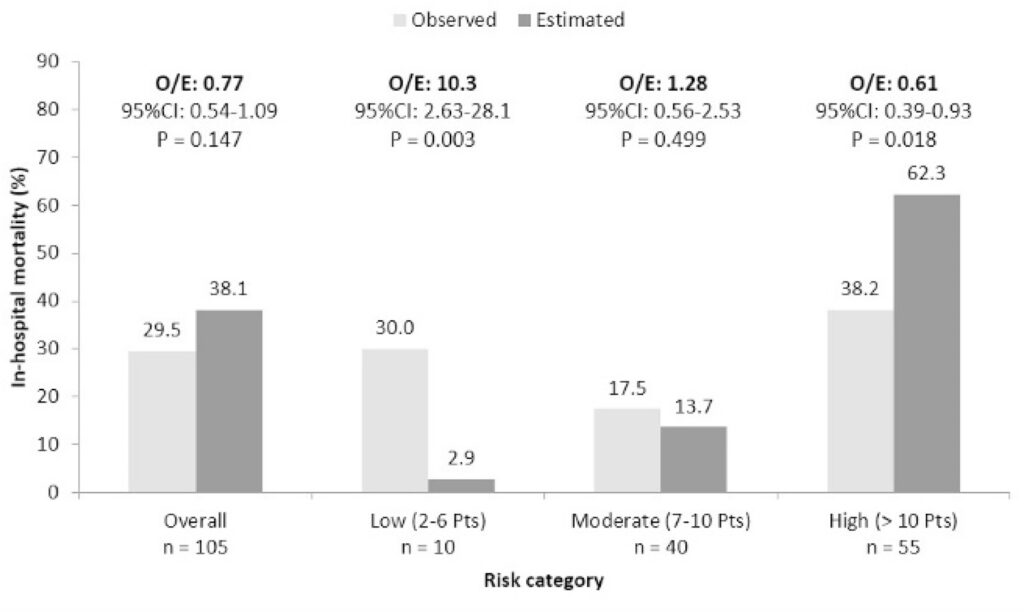
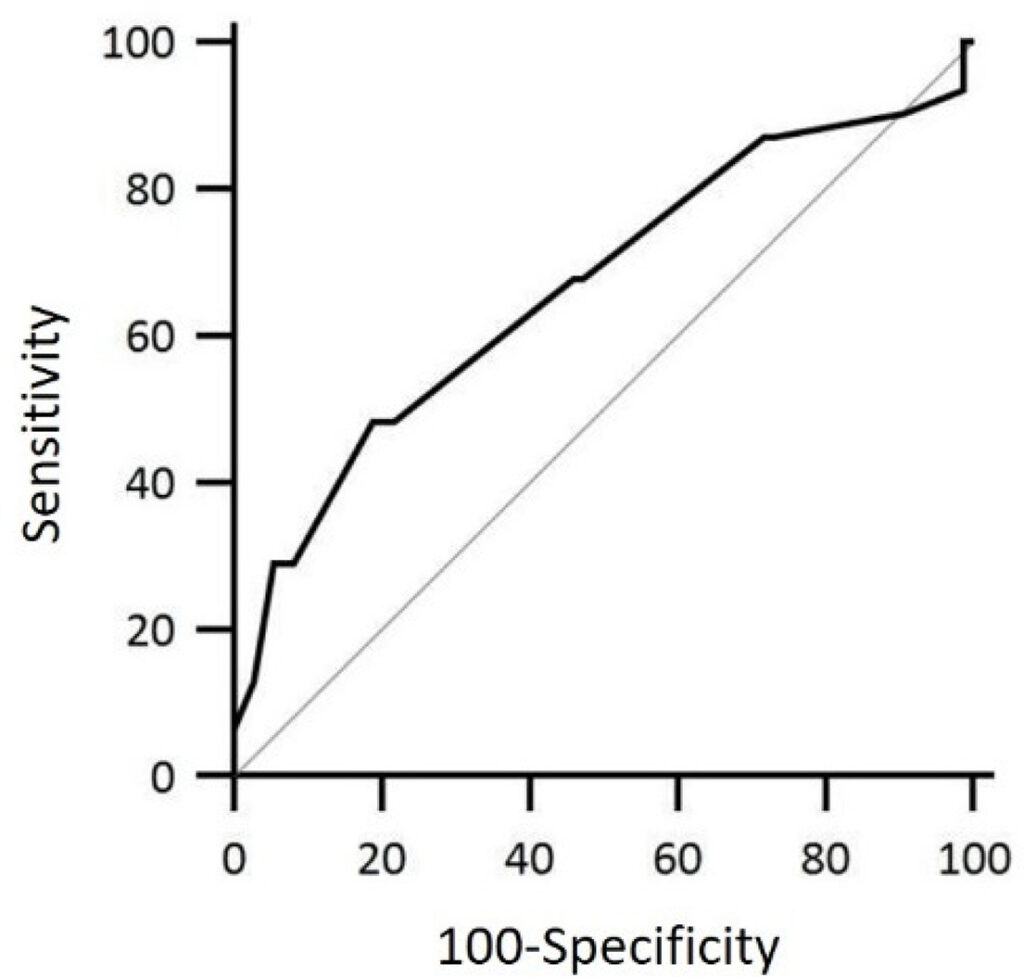
A total of 105 hospitalizations of 101 patients (mean age 57.4±14.6 years; 75.2% male) were included. The median SHARPEN score was 11 (9-13) points. The observed in-hospital mortality was 29.5%. There was no statistically significant difference in observed vs. estimated mortality (P = 0.147), with an area under the ROC curve of 0.66 (P = 0.008). In comparison with the other scores, no difference was observed in discriminative ability. The statistics of the SHARPEN score at a cutoff >10 points — positive predictive value (PPV): 38.1%, 95%CI:30.4-46.6; negative predictive value (NPV): 80.0%, 95%CI:69.8-87.4; and accuracy: 58.1%, 95%CI:48.1-67.6 — showed overlapping 95%CIs, indicating no significant difference between scores.
Conclusions
The SHARPEN score did not present parameters with a significant difference in relation to the other scores analyzed; despite the easy obtainment of its few variables, it has limited applicability in clinical practice, like other existing scores.
Images
Image gallery fullscreen viewer
Comments are moderated by the editorial team before publication. Discussions should be evidence-based and use scientific language. Conflicts of interest should be declared.