Infant Feeding Practices and Their Association with Stunting, Overweight, Obesity, and Other Cardiometabolic Risks in African Children: A Systematic Review
Abstract
Introduction:
Feeding patterns among infants, particularly in Africa, play a central role in shaping child growth and long-term health outcomes such as stunting, overweight, and obesity in early childhood.
Objectives:
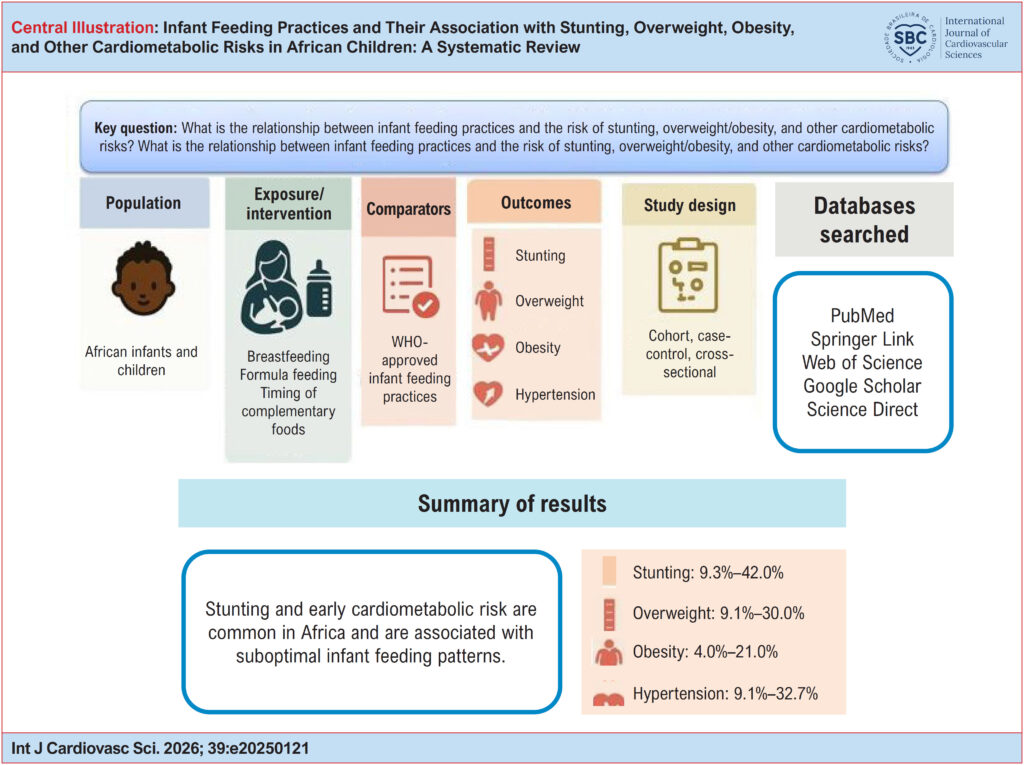
This systematic review assessed infant feeding practices and their association with stunting, overweight, obesity, and cardiometabolic risk in children in Africa.
Methods:
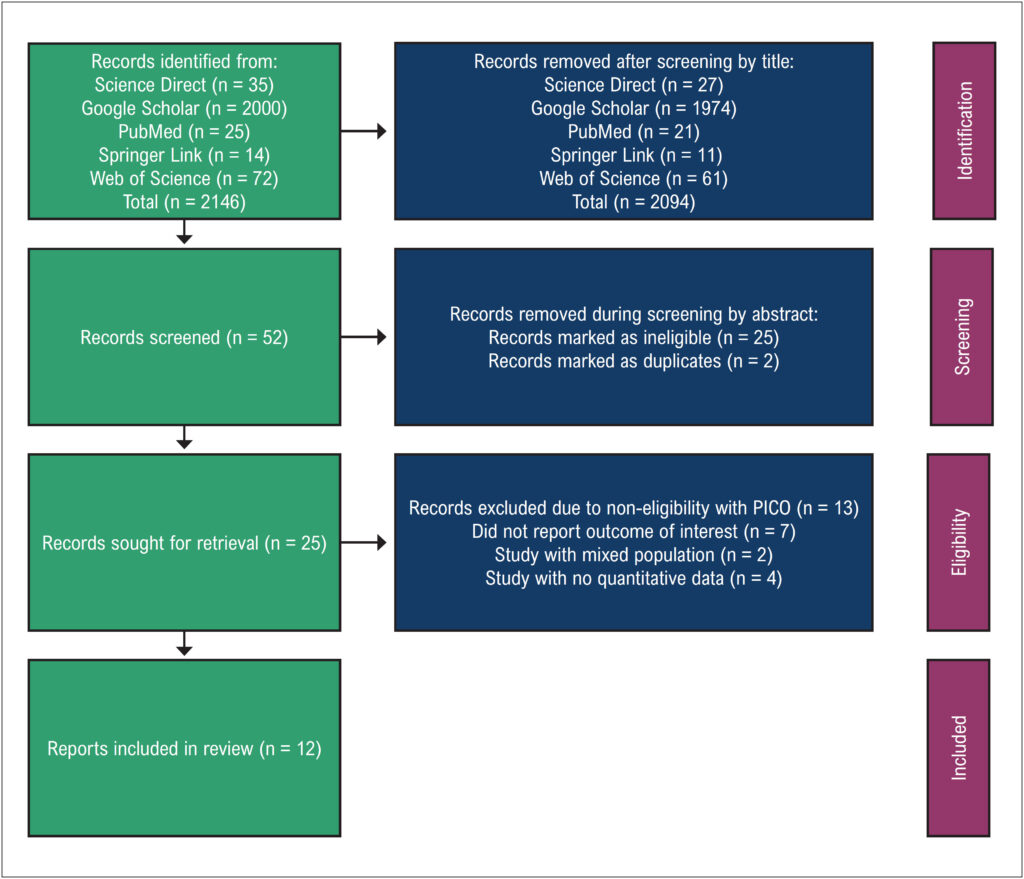
PubMed, Springer Link, Web of Science, Google Scholar, and Science Direct databases were searched for articles published between 2004 and 2024. Infant feeding indicators (exclusive breastfeeding, complementary feeding, and dietary variety) and outcomes of the children (stunting, overweight, obesity, blood pressure, and lipid profiles) were retrieved.
Results:
The review identified 12 studies (7 cohort, 5 cross-sectional) involving approximately 15,620 participants. Cardiometabolic risk markers such as hypertension were identified in 2 studies, with the prevalence ranging from 9.1% to 32.7%. Obesity was reported in 5 studies, with prevalence ranging from 4.0% to 21.0%. Six studies identified stunting and overweight, with their prevalence ranging from 9.3% to 42% and 9.1% to 30.0%, respectively. Diabetes was reported in just 1 of the studies in South Africa and was observed more in males (2.6%) than females (1.9%).
Conclusion:
Stunting and early cardiometabolic risk are common in Africa and are associated with suboptimal infant feeding patterns. Inappropriate complementary feeding and early weaning of breastfeeding are linked to stunting as well as early overweight/obesity. Exclusive breastfeeding for up to 6 months is still a poorly achieved target in most settings, even though it is crucial for optimal growth.
Images
Image gallery fullscreen viewer
Comments are moderated by the editorial team before publication. Discussions should be evidence-based and use scientific language. Conflicts of interest should be declared.