Association of CHA2DS2-VASc Score with No-Reflow Phenomenon after PCI: A Systematic Review and Meta-Analysis
Abstract
Background
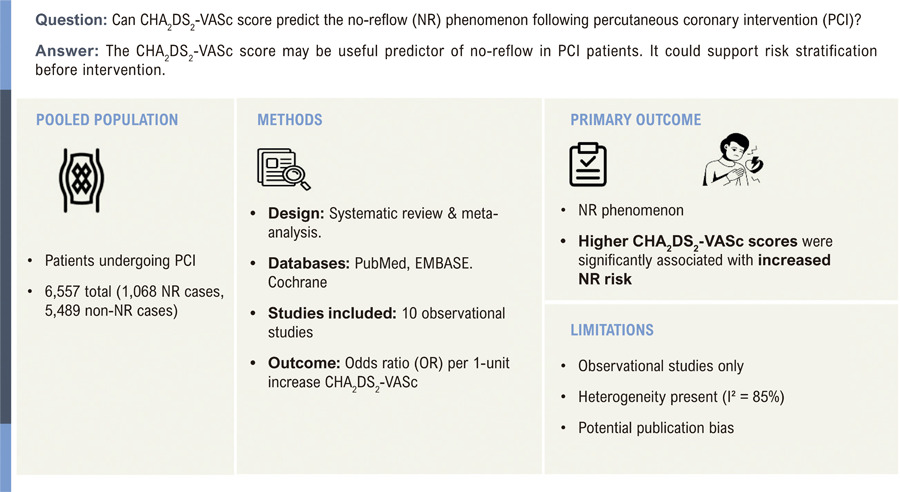
The no-reflow (NR) phenomenon is a serious complication of percutaneous coronary intervention (PCI), associated with poor clinical outcomes. The CHA2DS2-VASc score, originally developed to assess thromboembolic risk in atrial fibrillation, has shown potential in being associated with adverse cardiovascular events, but its predictive value for NR remains uncertain.
Objective
To evaluate the association between the CHA2DS2-VASc score and the occurrence of NR in patients undergoing PCI through a systematic review and meta-analysis.
Methods
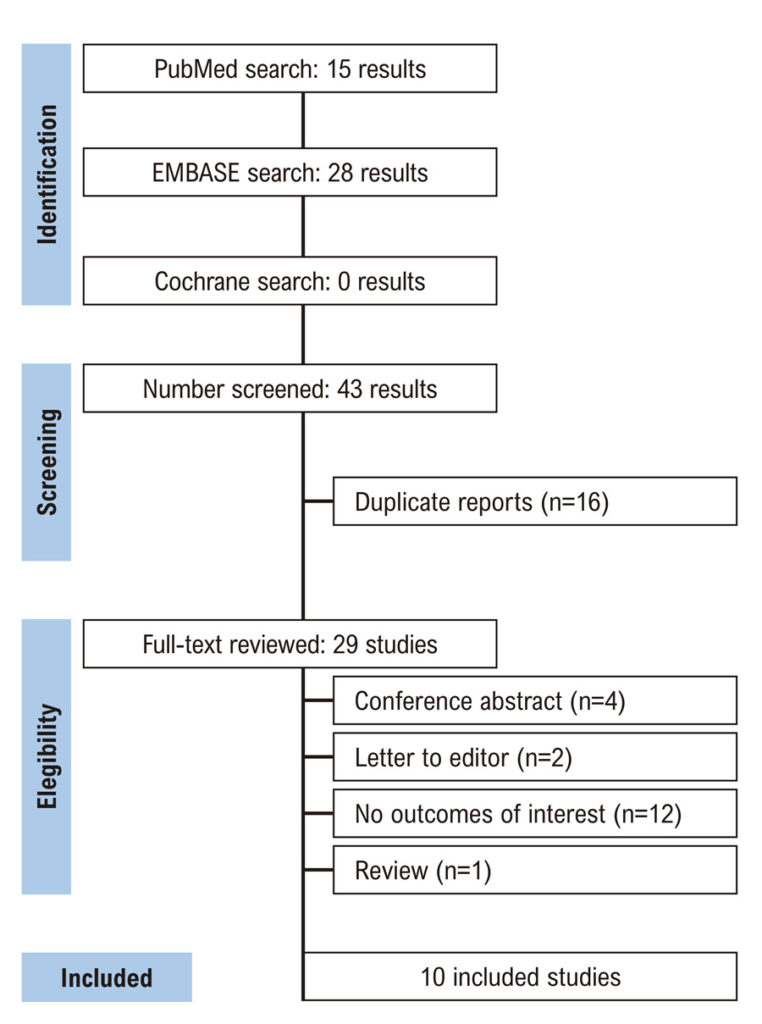
A systematic review of the literature was performed across Cochrane, EMBASE, and PubMed databases to identify studies examining the relationship between the CHA2DS2-VASc score and the occurrence of NR following PCI. A random-effects meta-analysis was conducted, using odds ratios (ORs) and 95% confidence intervals (CIs) as the measures of effect size. Heterogeneity was calculated by using Cochran’s Q test and Higgins’ I2 statistics.
Results
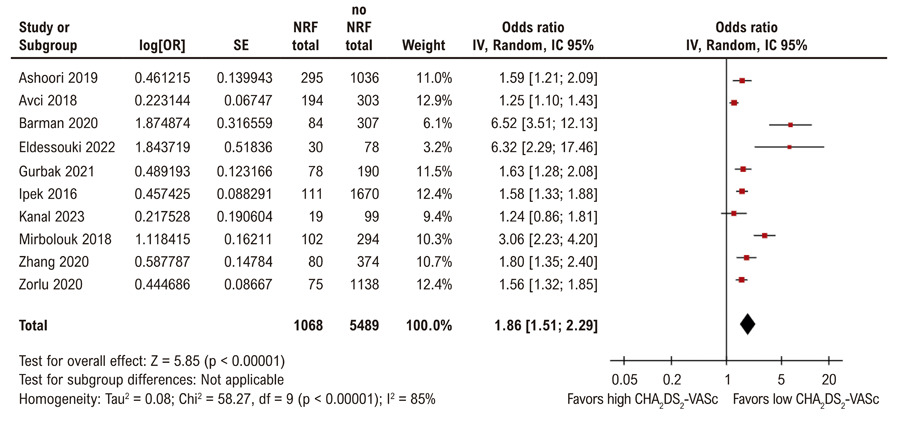
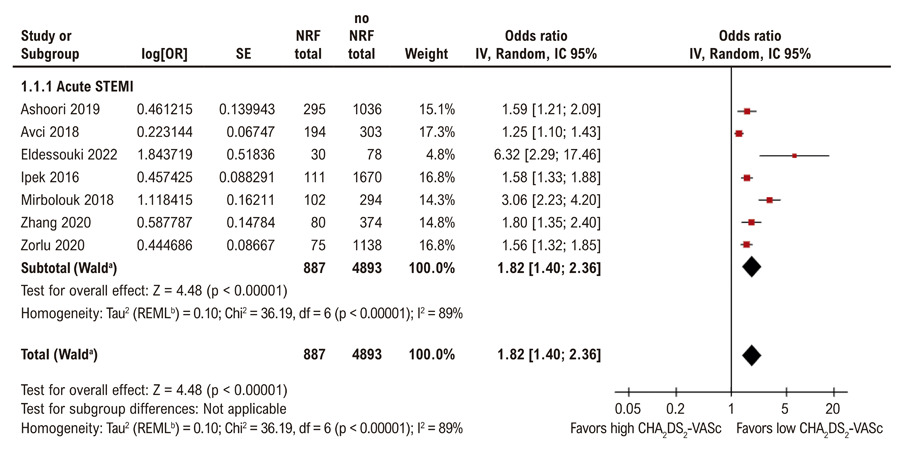
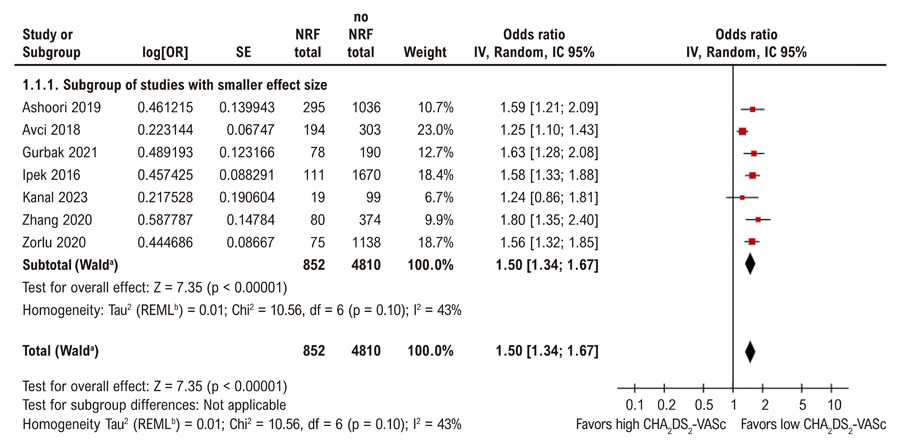
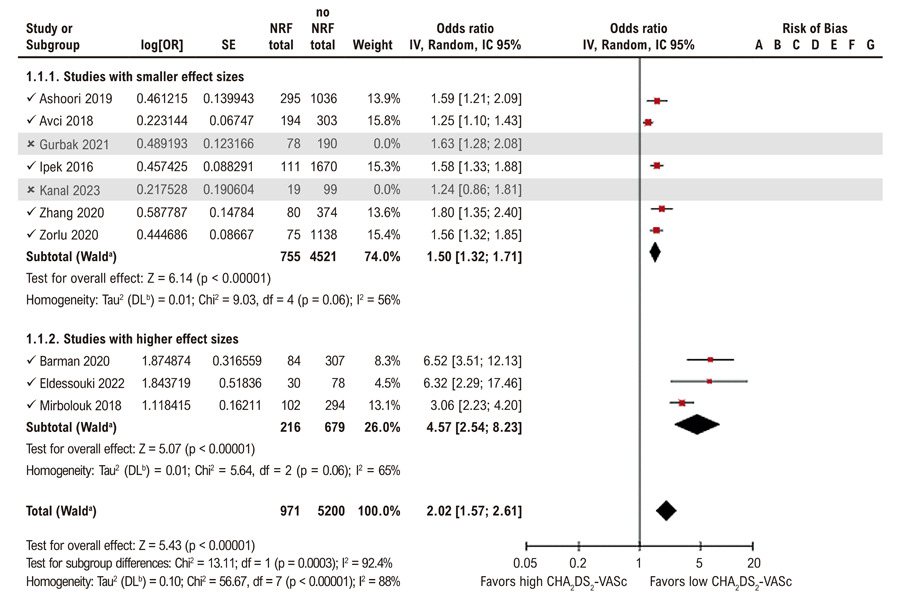
A total of 10 studies including 6,557 patients (1,068 NR cases and 5,489 non-NR cases) were analyzed. An elevated CHA2DS2-VASc score was strongly associated with a higher risk of NR occurrence after PCI (OR, 1.86; 95% CI, 1.51–2.29; p < .00001; I2 = 85%).
Conclusion
This meta-analysis supports that the CHA2DS2-VASc score may be a useful tool for identifying patients at increased risk of NR during PCI. Further prospective studies are required to validate these findings and optimize risk stratification approaches.
Images
Image gallery fullscreen viewer
Comments are moderated by the editorial team before publication. Discussions should be evidence-based and use scientific language. Conflicts of interest should be declared.