Initial Experience of Intracardiac Echocardiography-Guided Left Atrial Appendage Occlusion: Report of Six Cases
Introduction
In recent decades, the incidence of atrial fibrillation (AF) has increased exponentially worldwide., This comorbidity is directly related to cardioembolic events, and oral anticoagulation is considered the gold standard treatment for its prevention. Although oral anticoagulation is effective in preventing ischemic stroke, warfarin is contraindicated in 14% to 44% of patients at risk for cardioembolic stroke; nevertheless, even in eligible patients, only 54% are anticoagulated. Currently, direct-acting oral anticoagulants (DOAC) are preferable as preventive therapy for ischemic stroke; however, the discontinuation rates of these drugs reported in clinical trials, mainly due to intolerance or side effects, vary from 23% to 35%. In patients with a history of hemorrhagic stroke, uncontrolled non-intracranial bleeding, and end-stage chronic kidney disease or dialysis, the use of DOAC is relatively or absolutely contraindicated.
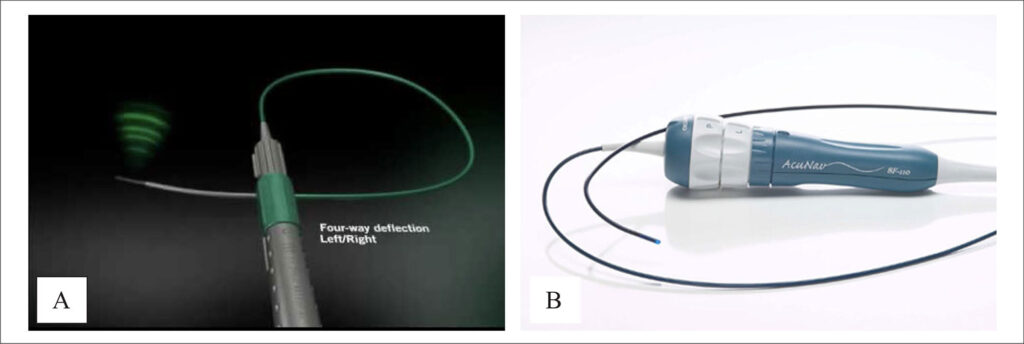
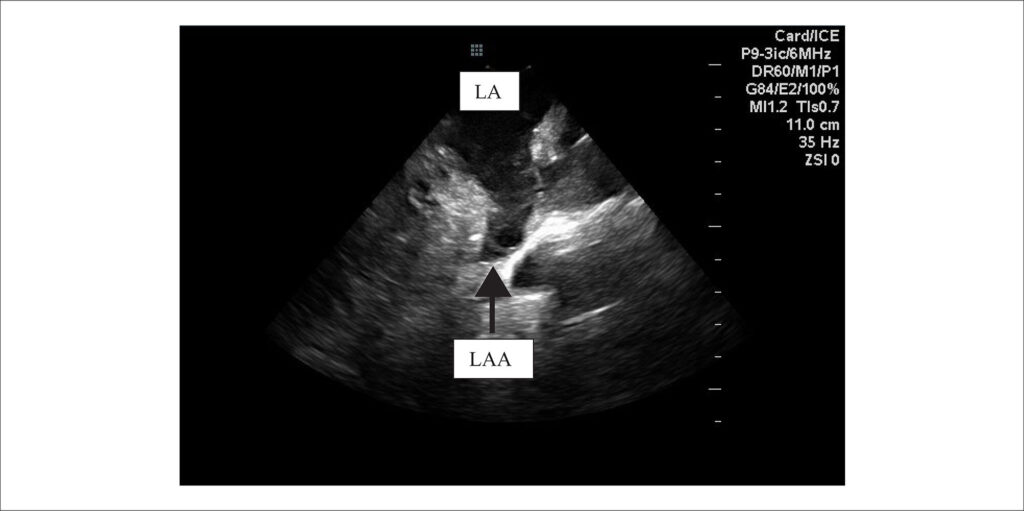
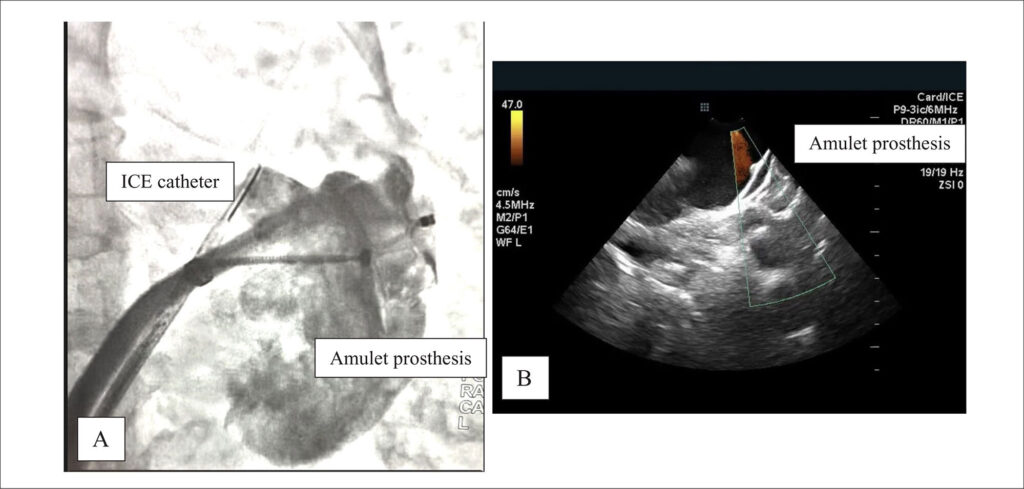
In cases of non-valvular AF, when the aforementioned contraindications to DOAC use are present, left atrial appendage occlusion (LAAO) has shown to be effective as a therapeutic alternative. This procedure has been guided and performed using transesophageal echocardiography, which is considered the gold standard. However, services that have incorporated intracardiac echocardiography as an auxiliary tool during catheter ablation for the treatment of AF went on to use this method as a safe and effective alternative to transesophageal echocardiography in LAAO procedures.–
[…]
Images
Image gallery fullscreen viewer
Comments are moderated by the editorial team before publication. Discussions should be evidence-based and use scientific language. Conflicts of interest should be declared.