Incidence of shock and quality of life in young patients with implantable cardioverter-defibrillator
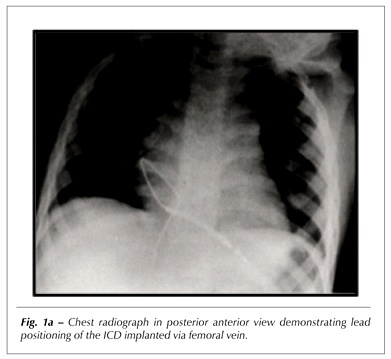
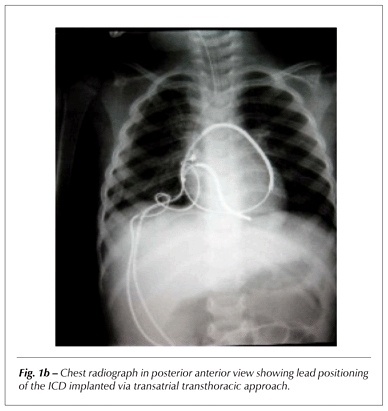
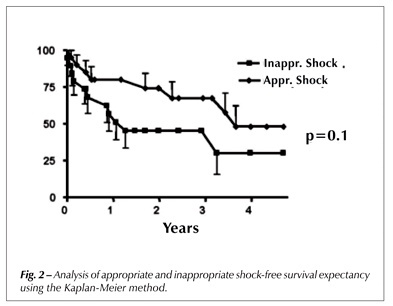
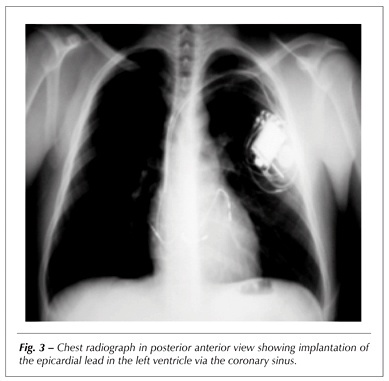
OBJECTIVES: To analyze the incidence and causes of ICD therapies in children and young adults and verify their impact on the quality of life (QoL). METHODS: From March/1977 to February/2006, 29 patients (15.7±5.4 years old) were submitted to ICD implants. Aborted cardiac arrest (41.5%), sustained ventricular tachycardia (27.6%) and primary prophylaxis of sudden cardiac death (30.9%) indicated device therapy. The number of therapies was evaluated by interviewing patients and by ICD diagnostic data. The SF-36 questionnaire was used to measure the QoL and the results were compared to healthy population. The expectative of freedom from ICD therapies were estimated by the Kaplan-Meier method. RESULTS: After 2.6±1.8 years follow-up, 8 (27.6%) patients received 141 appropriate ICD shocks due to ventricular tachycardia (6) or ventricular fibrillation (2), and 11 (37.9%) patients received 152 inappropriate ICD shocks due to supraventricular tachyarrhythmias (8) or oversensing (3). Expectative of freedom from appropriate shocks was 74.2±9.0% and 66.7±10.7% after one and three years, respectively. Compared to healthy population, QoL decreased in physical function (61.7±28.7), vitality (64.7±19.1), mental health (65.9±22.7) and role-emotional domains (66.7±38.5). All patients referred fear and concern related to ICD use. CONCLUSION: Despite the efficacy of ICD therapies, the high incidence of appropriate and inappropriate shocks interfered in patients’ QoL and adaptation to the device.
Images
Image gallery fullscreen viewer
Comments are moderated by the editorial team before publication. Discussions should be evidence-based and use scientific language. Conflicts of interest should be declared.