Do Brazilian physicians follow the Brazilian guidelines on hypertension?
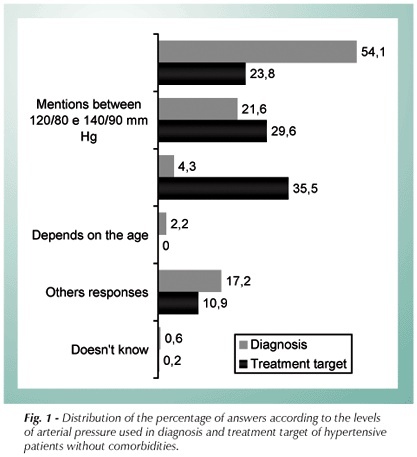
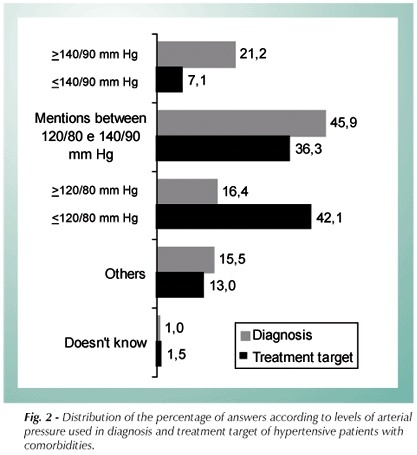
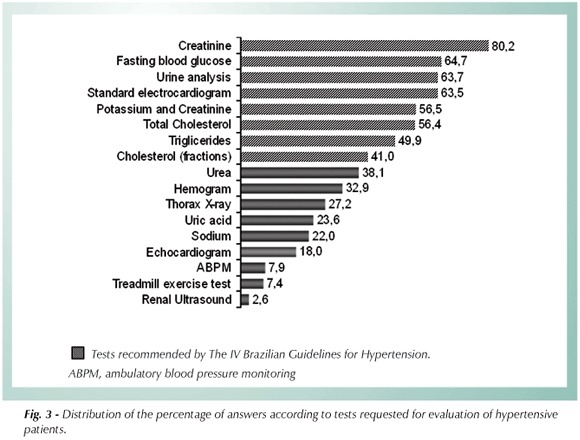
OBJECTIVE: To evaluate whether procedures adopted by Brazilian physicians in the diagnosis and treatment of hypertension are in compliance with those advocated by the IV Brazilian Hypertension Guidelines. METHOD: Survey carried out by means of telephone interviews with Brazilian physicians. The survey featured application of a questionnaire aimed to assess receipt of and compliance with the guidelines, and to evaluate various aspects regarding the treatment of hypertensive patients. RESULTS: 68.3% of the respondents had received the guidelines and answered the questionnaire in full. The total sample consisted of 483 physicians – 47% cardiologists, 31.7% internists, and 21.3% nephrologists. The survey showed high compliance with certain guideline topics such as more than one measurement at different times for the diagnosis of hypertension (94%), and providing guidance regarding lifestyle changes as a therapeutic strategy. As to arterial pressure levels used for diagnosis and therapeutic target, compliance with guideline recommendations lacks uniformity. The survey showed a clear preference for pressure levels lower than those recommended, especially in patients with comorbidities. Attempts to assess cardiovascular risk also proved to be low. Only 64.7% of the respondents reported that they seek to determine the presence of diabetes mellitus, and 56.4% check for dyslipidemia. The majority (59.3%) mentioned diuretics as the preferred drug class for initial drug treatment of hypertension. CONCLUSION: We concluded that there is only partial compliance with Brazilian Hypertension Guidelines and that certain factors should be taken into consideration when drawing up future guidelines, such as: improved distribution; standardization of values for diagnosis and therapeutic target; more extensive coverage of ways for physicians to approach hypertensive patients to better evaluate their overall cardiovascular risk.
Images
Image gallery fullscreen viewer
Comments are moderated by the editorial team before publication. Discussions should be evidence-based and use scientific language. Conflicts of interest should be declared.