Autonomic regulation of mechanical properties in porcine mitral valve cusps
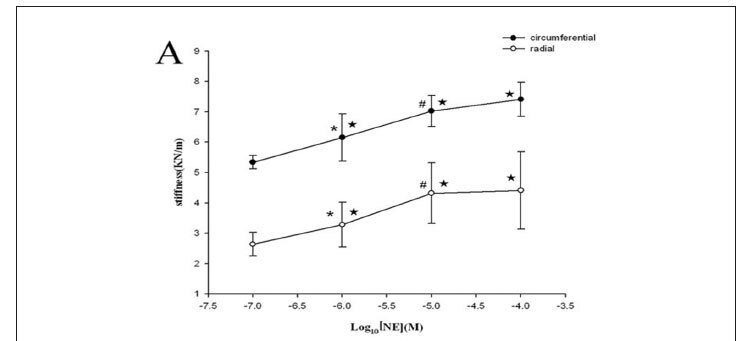
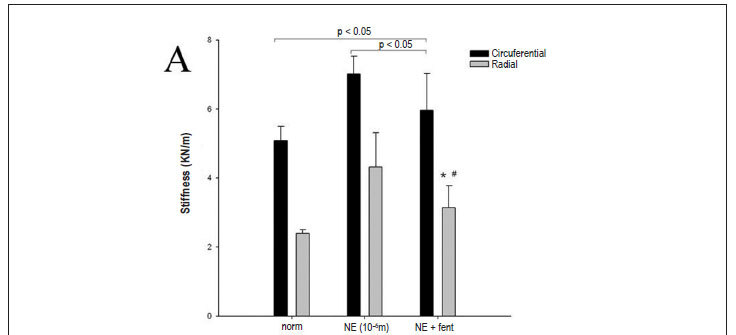
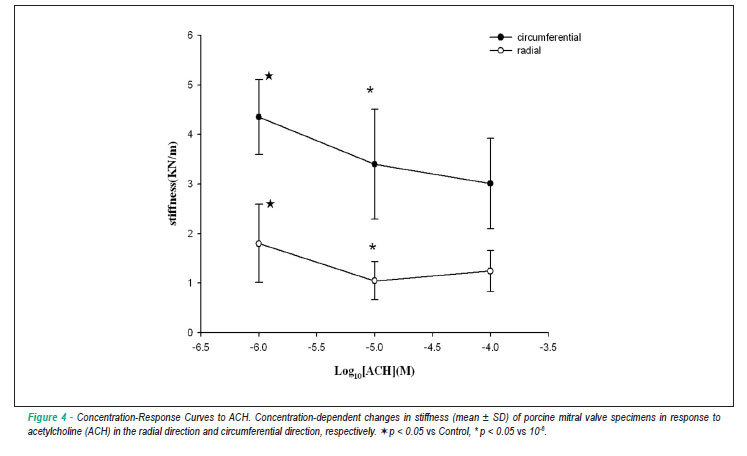
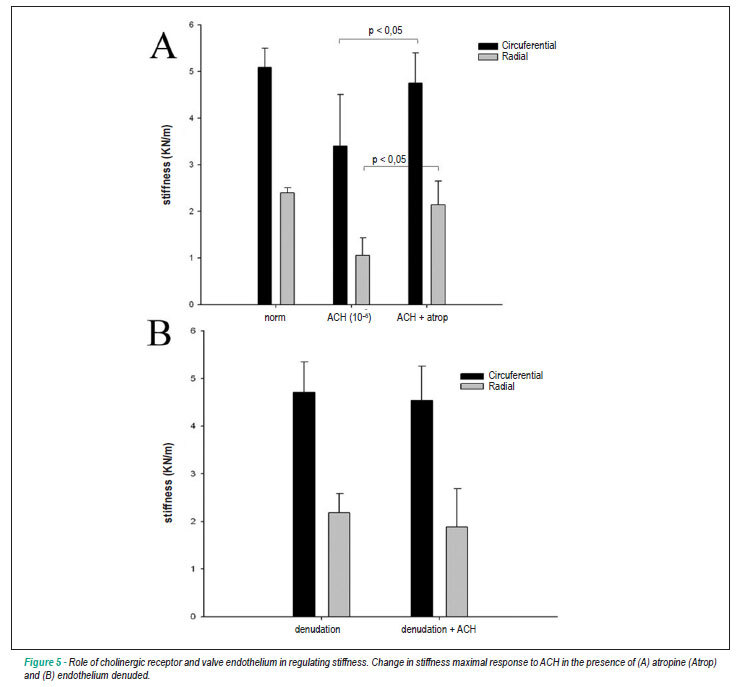
BACKGROUND: The presence of nerves in heart valves was first depicted decades ago and identified into subpopulations: sympathetic, parasympathetic. So valves are expected to be greatly affected by the autonomic nerves. However, few studies have focused on the regulation of heart valves by the autonomic nervous system. OBJECTIVE: We sought to identify the role of the autonomic nervous system in the regulation of the mechanical properties of porcine mitral valve tissues. METHODS: Mechanical properties of porcine mitral valve leaflets were evaluated in response to norepinephrine (NE) and acetylcholine (ACH), the main neurotransmitters. At the same time, phentolamine (Phent), metoprolol (Metop), atropine (Atrop) and endothelial denudation were added to the reactive system. RESULTS: Under physiological conditions, the stiffness was not affected by endothelial denudation (p > 0.05). NE elevated the valve stiffness significantly per 10-fold increase in concentration (10-6 vs 10-7, p < 0.05; 10-5 vs 10-6, p < 0.05). This response was mitigated by Phent, Metop or endothelial denudation (p < 0.05), however, it was still increased significantly when compared to Controls (p < 0.05). ACH caused a decrease in stiffness accompanied by an increase in its concentration (significant change in stiffness per 10-fold increase in ACH concentration, 10-6 vs Control, p < 0.05; 10-5 vs 10-6, p 0.05 vs Control). CONCLUSION: These findings highlight the role of the autonomic nervous system in the regulation of the mechanical properties of porcine mitral valve cusps, which underline the importance of autonomic nervous status for optimal valve function.
Images
Image gallery fullscreen viewer
Comments are moderated by the editorial team before publication. Discussions should be evidence-based and use scientific language. Conflicts of interest should be declared.