Cross-sectional Study on Blood Pressure Control in the Department of Nephrology of the Escola Paulista de Medicina – UNIFESP
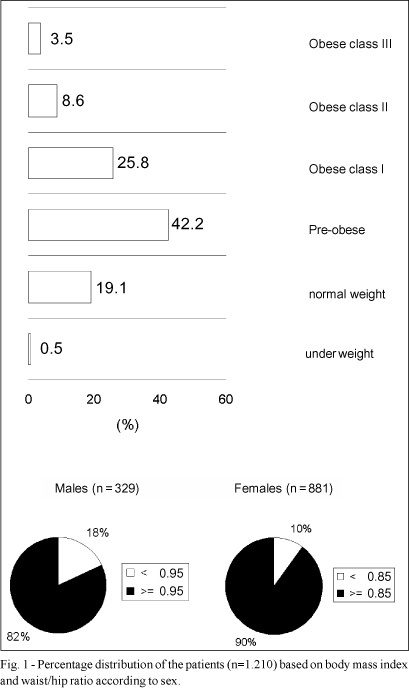
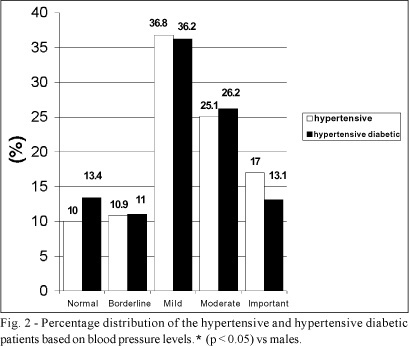
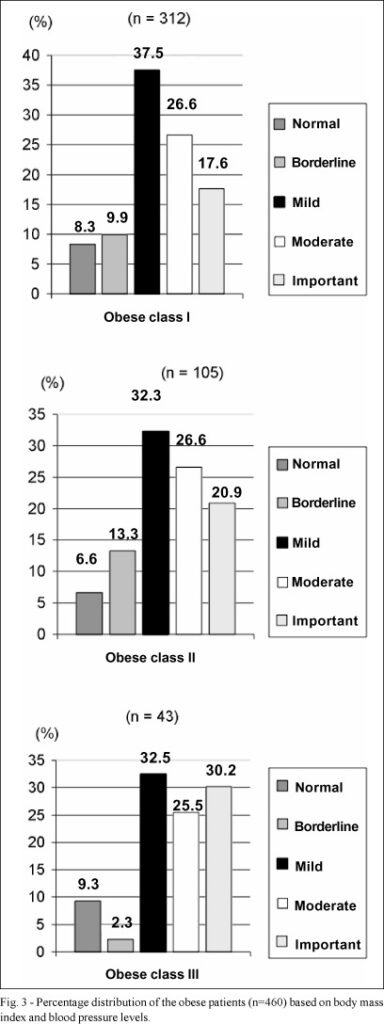
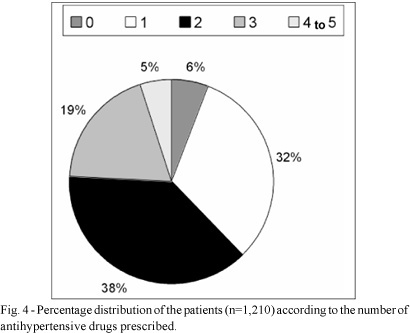
OBJECTIVE – To assess hypertension control rates in a specialized university-affiliated medical department, the influence of sex, diabetes, and obesity on that control, and the strategies for the treatment of hypertension. METHODS – We carried out a cross-sectional study with 1,210 patients followed up for at least 6 months. Information was gathered from medical and nursing records and comprised the following data: sex, age, weight, height, abdominal and hip circumferences, blood pressure, and class and number of the antihypertensive drugs prescribed. To assess obesity, we used body mass index and waist/hip ratio. Blood pressure was considered under control when its levels were below 140/90 mmHg. RESULTS – The study consisted of 73% females and 27% males. Most females (31.7%) were 50 to 59 years of age, and most males (28.3%) were 60 to 69 years. The blood pressure control rate found was 20.9% for the 1,210 patients and 23.4% for the hypertensive diabetic patients (n=290). Despite the low control rates found, 70% of the patients used 1 or 2 antihypertensive medications. A high prevalence of obesity (38%) was observed, and females had a greater abdominal obesity index than males did (90% vs 82%, p<0.05). Patients with a greater body mass index had less control of blood pressure. CONCLUSION – The percentage of hypertensive patients with controlled blood pressure levels was low and was associated with a high prevalence of obesity. These data indicate the need for reviewing the strategies of global treatment for hypertension.
Images
Image gallery fullscreen viewer
Comments are moderated by the editorial team before publication. Discussions should be evidence-based and use scientific language. Conflicts of interest should be declared.