Superior Vena Cava Syndrome after Radiofrequency Catheter Ablation for Atrial Fibrillation
Introduction
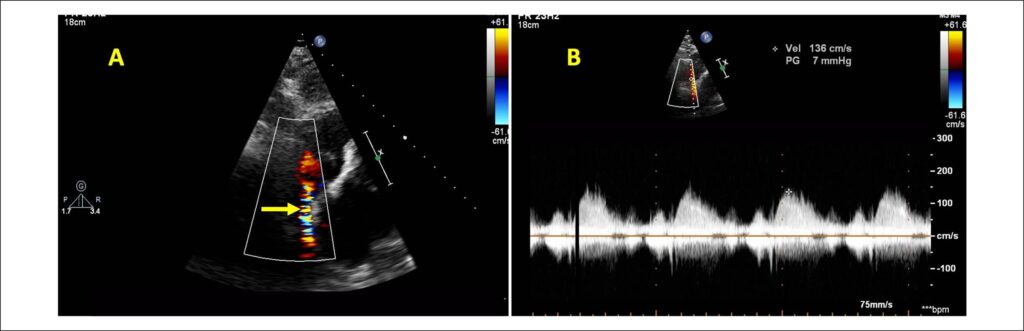
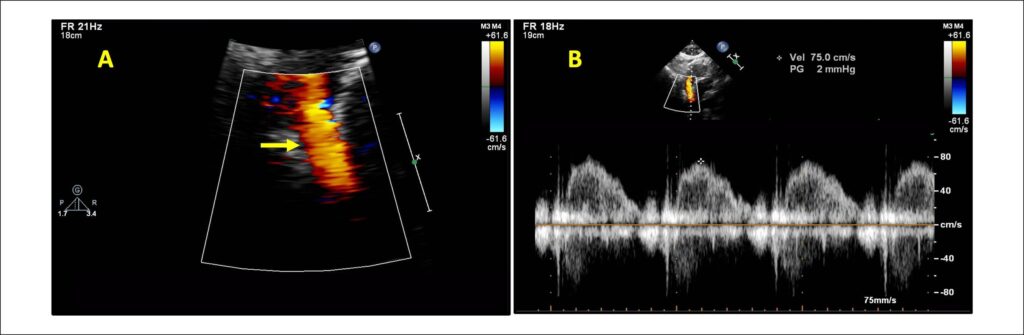
Atrial fibrillation (AF) is the most common sustained cardiac arrhythmia in clinical practice. Its prevalence increases with age, and it is commonly associated with structural heart diseases, leading to hemodynamic and thromboembolic complications with significant economical implications and increasing morbimortality., The AF ablation techniques, when carried out by experienced operators, have proved to be safe and to yield quite satisfactory results, but in some patients it is necessary to approach extra-venous focuses, such as the left atrial appendage, coronary sinus and superior vena cava. AF ablation is a complex procedure, not without risks. Important complications have been reported, including cerebrovascular accidents, pulmonary vein stenosis and atrioesophageal fistula., We report here a case of superior vena cava syndrome after radiofrequency ablation for AF.
[…]
Images
Image gallery fullscreen viewer
Comments are moderated by the editorial team before publication. Discussions should be evidence-based and use scientific language. Conflicts of interest should be declared.