Stress Echocardiographic Strain–Dyssynchrony Interactions Identify Prognostic Phenotypes in Chagas Cardiomyopathy: A Pilot Study
Abstract
Background
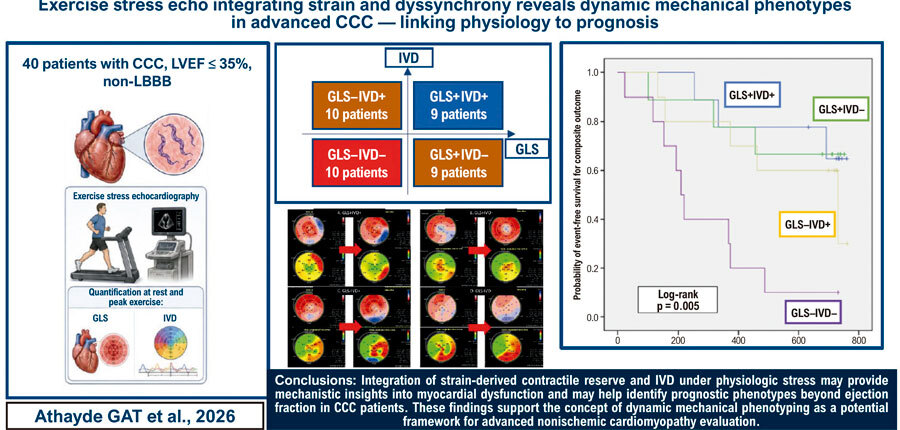
Mechanical heterogeneity is a hallmark of advanced cardiomyopathy, although stress echocardiography traditionally focuses on ischemia or global systolic reserve. Exercise stress echocardiography may identify distinct mechanical phenotypes in chronic Chagas cardiomyopathy (CCC) through integrated assessment of strain and dyssynchrony behavior.
Objective
To investigate the interaction between contractile reserve and intraventricular dyssynchrony (IVD) during exercise stress echocardiography and its association with clinical outcomes in patients with CCC.
Methods
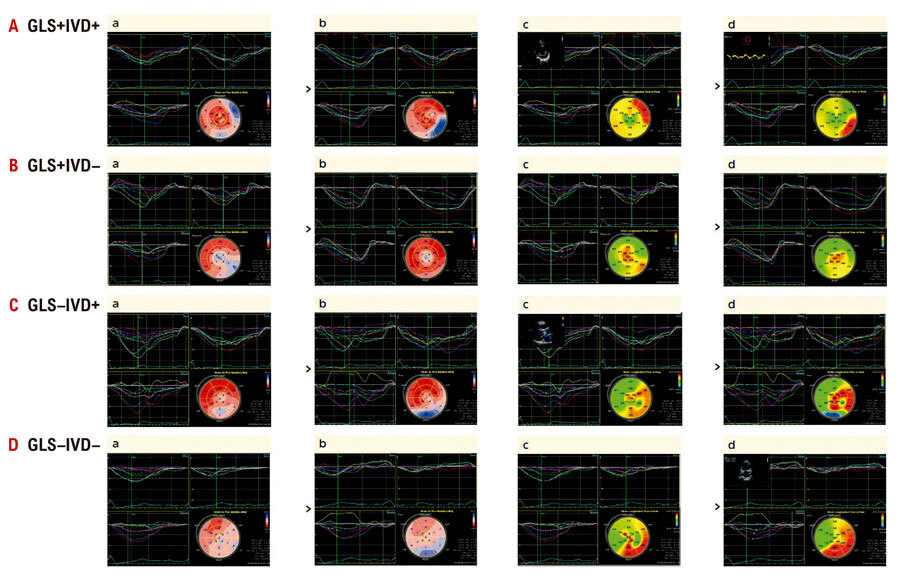
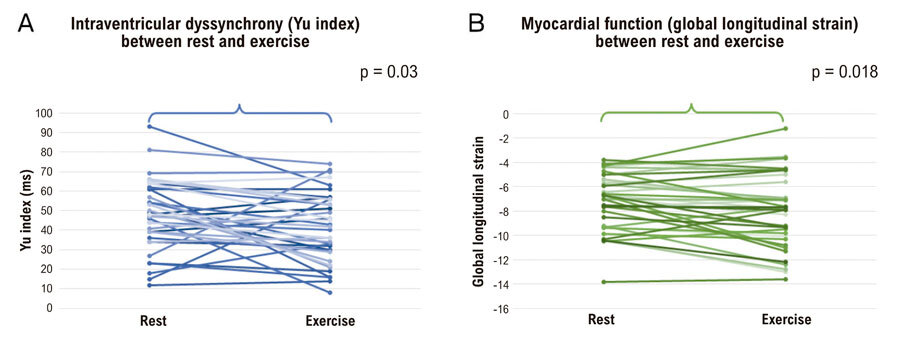
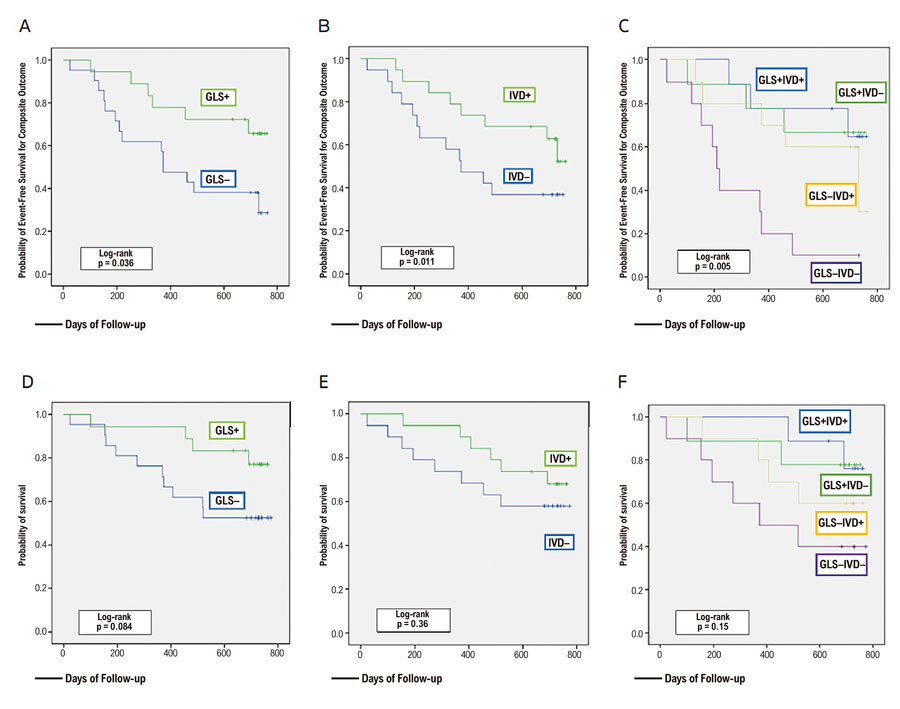
Forty patients with severe CCC (left ventricular ejection fraction ≤ 35%, non-LBBB QRS morphology) underwent symptom-limited treadmill stress echocardiography. Global longitudinal strain (GLS), IVD, and conventional echocardiographic parameters were assessed at rest and immediately after peak exercise. Patients were stratified into four groups according to GLS and IVD variation. The primary endpoint was a composite of death, heart transplantation, or hospitalization for heart failure over a 2-year follow-up. Statistical significance was defined as p < 0.05.
Results
After a median follow-up of 729 days, 20 patients (50%) reached the primary endpoint. Patients without contractile reserve and without dyssynchrony improvement during exercise had significantly lower event-free survival compared with the remaining groups (p < 0.01). When analyzed separately, both absence of contractile reserve and unfavorable dyssynchrony response were associated with adverse outcomes. In multivariable analysis, only right ventricular function remained independently associated with the primary outcome (hazard ratio 0.83, 95% confidence interval 0.71–0.96; p = 0.014).
Conclusions
Integration of strain-derived contractile reserve and IVD during physiologic stress may help identify prognostic phenotypes beyond ejection fraction in CCC and supports the concept of dynamic mechanical phenotyping in advanced cardiomyopathy.
Images
Image gallery fullscreen viewer
Comments are moderated by the editorial team before publication. Discussions should be evidence-based and use scientific language. Conflicts of interest should be declared.