Left Atrial Appendage: Anatomy, Function, and Importance in Thrombus Formation
Introduction
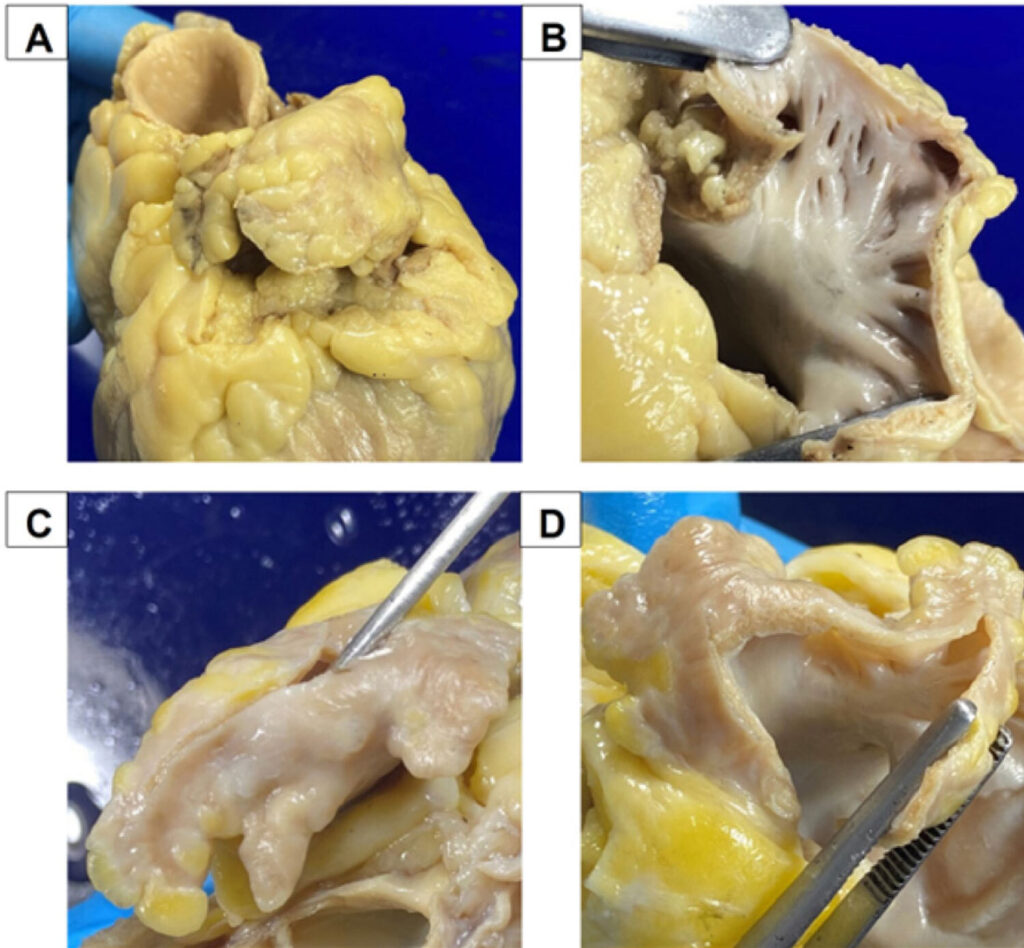
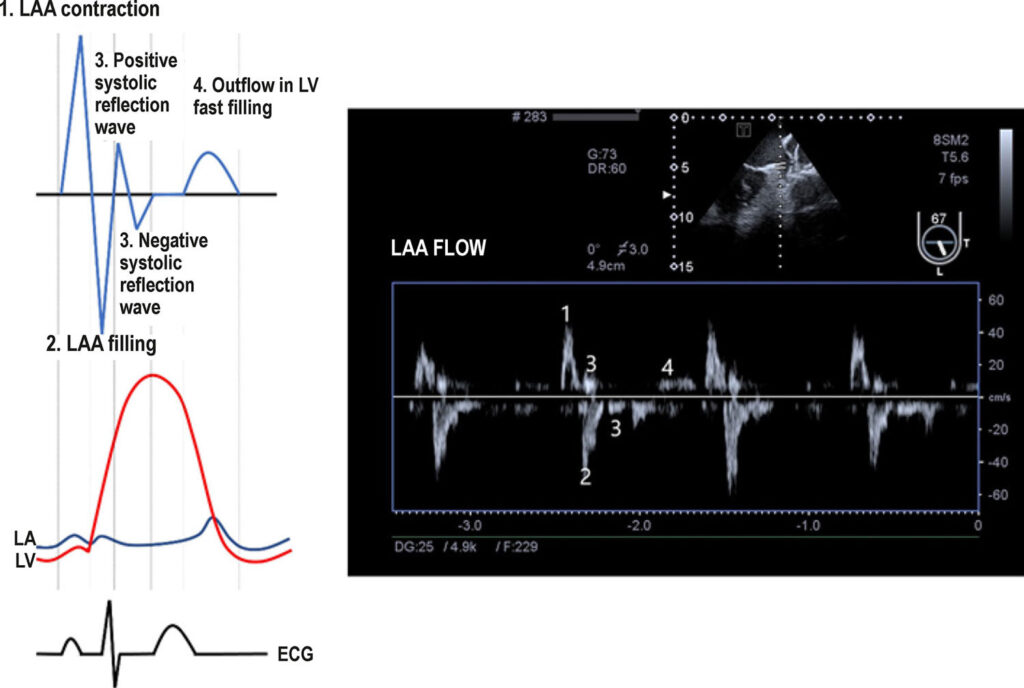
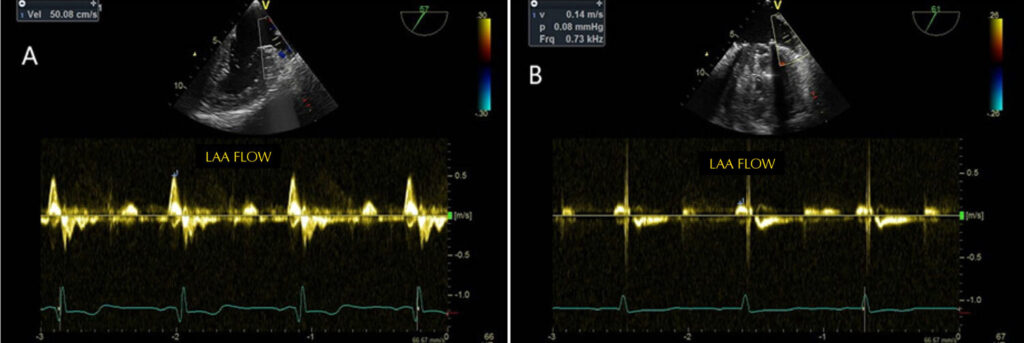
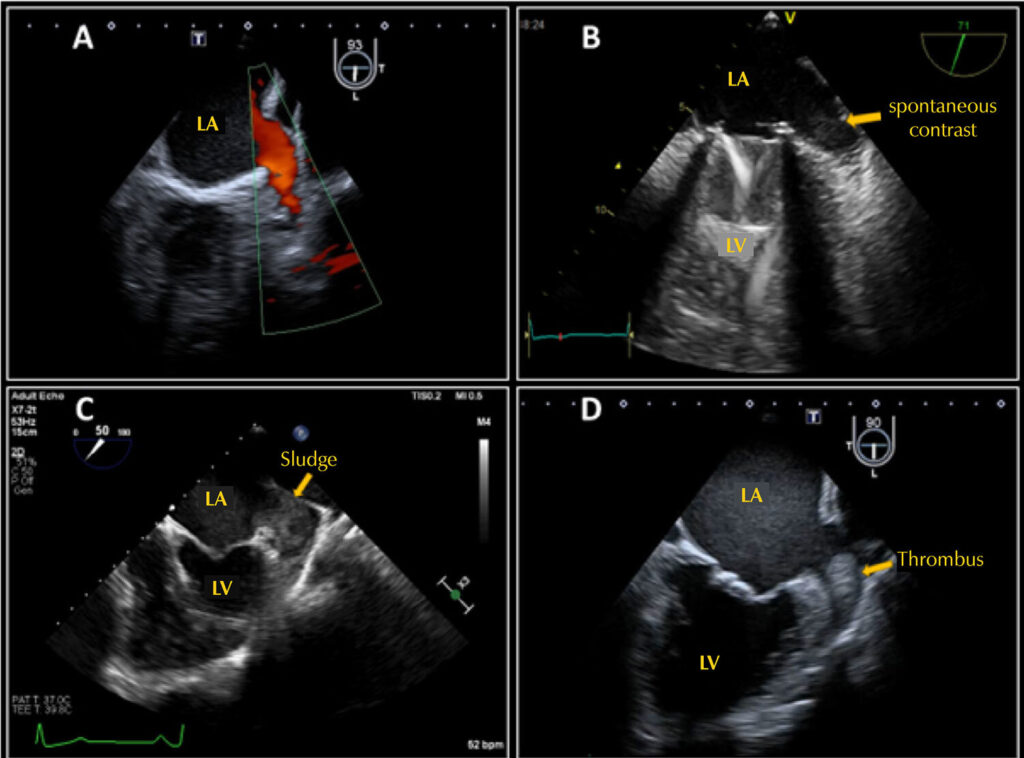
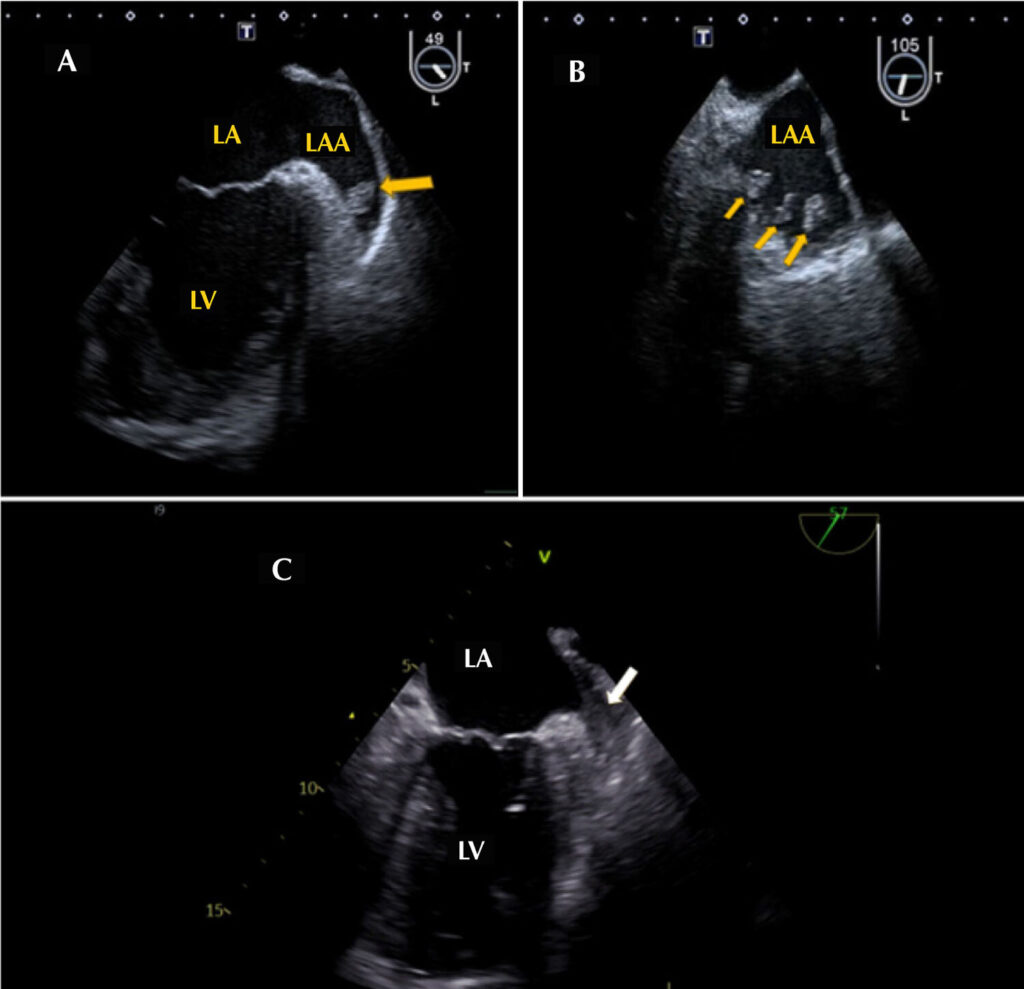
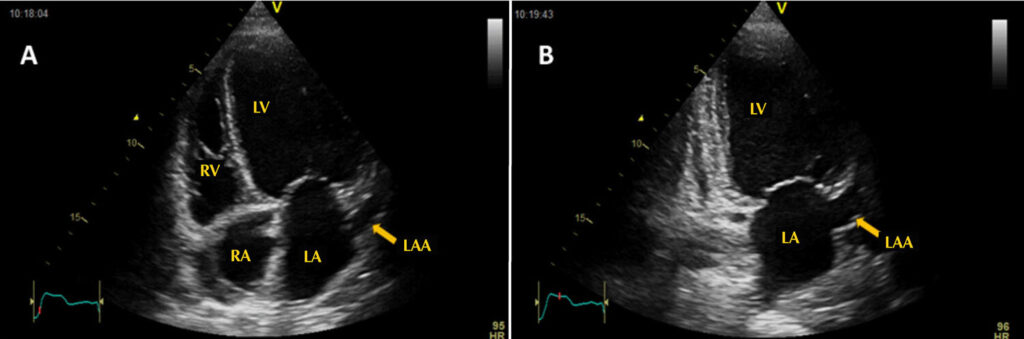
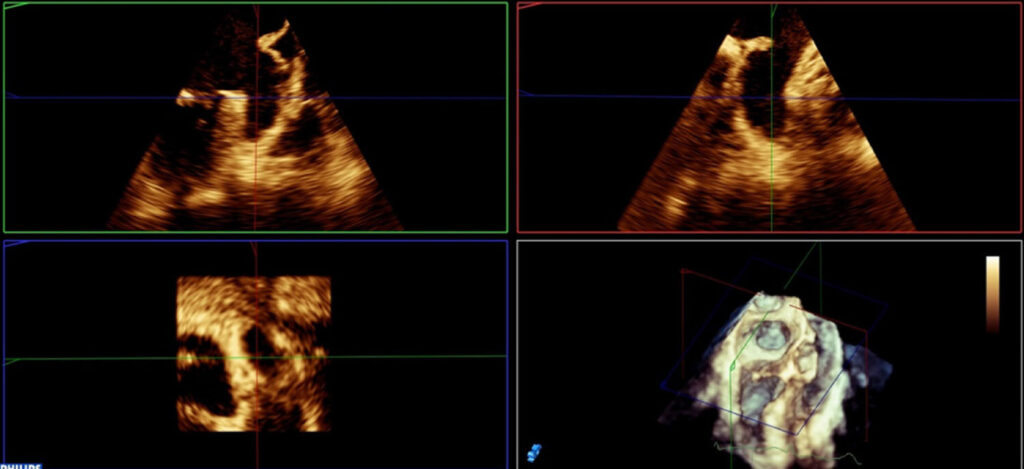
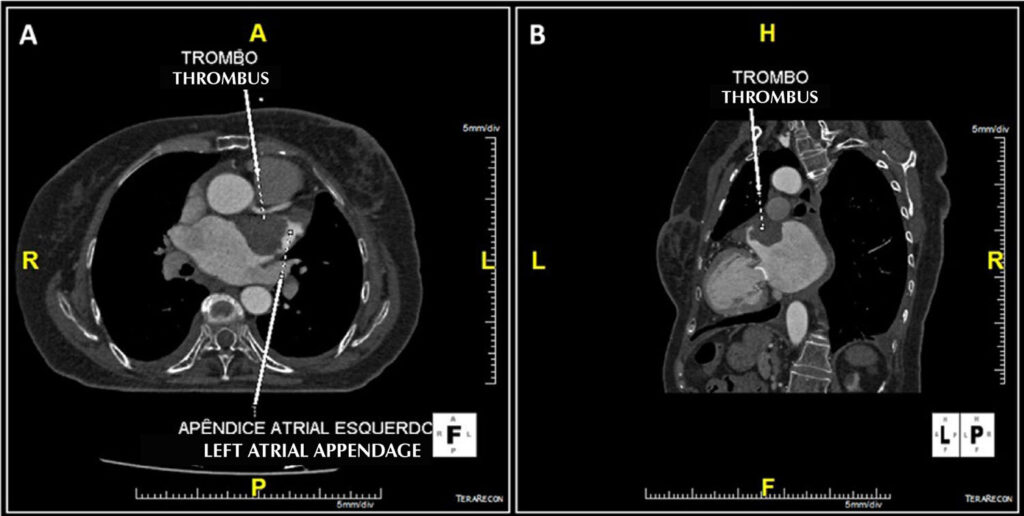
The left atrial appendage (LAA) is an extension of the left atrium (LA) and has complex anatomical structure and unique pathophysiological properties. The LAA functions as a decompression chamber during left ventricular (LV) systole and under increased left atrial pressure conditions. Despite previously being considered a relatively insignificant portion of the cardiac anatomy, the LAA has been highlighted as an important structure involved in the genesis of thrombus formation and thromboembolic events. With the recent development of percutaneous closure devices, LAA morphology assessments have become increasingly important. This article aims to describe LAA anatomy and morphology, function assessment parameters, thrombus diagnostic challenges, and the main imaging modalities, particularly transesophageal echocardiography.
[…]
Images
Image gallery fullscreen viewer
Comments are moderated by the editorial team before publication. Discussions should be evidence-based and use scientific language. Conflicts of interest should be declared.