ABC Family Arquivos Brasileiros de Cardiologia International Journal of Cardiovascular Sciences ABC Heart Failure & Cardiomyopathy ABC Imagem Cardiovascular
Português English
ABC Family
Português English
  • About
    • About ABC Family
    • Internal Regulation
    • Editorial Board
    • Brazilian Society of Cardiology (SBC)
  • Issues
  • SBC Guidelines
  • Content
    • Videos
    • Podcasts
    • News
  • About
    • About ABC Family
    • Internal Regulation
    • Editorial Board
    • Brazilian Society of Cardiology (SBC)
  • Issues
  • SBC Guidelines
  • Content
    • Videos
    • Podcasts
    • News

ABC Family

  • ABC Family
  • Arquivos Brasileiros de Cardiologia
  • International Journal of Cardiovascular Sciences
  • ABC Heart Failure & Cardiomyopathy
  • ABC Imagem Cardiovascular
Search in

No content found.

Journals
Ordering
Article types
Others

  1. Home
  2. Keyword: Sickle cell disease
Figure 1
IJCS
Editorial

Lipids and Sickle Cell Disease

Fernanda Azevedo-Silva

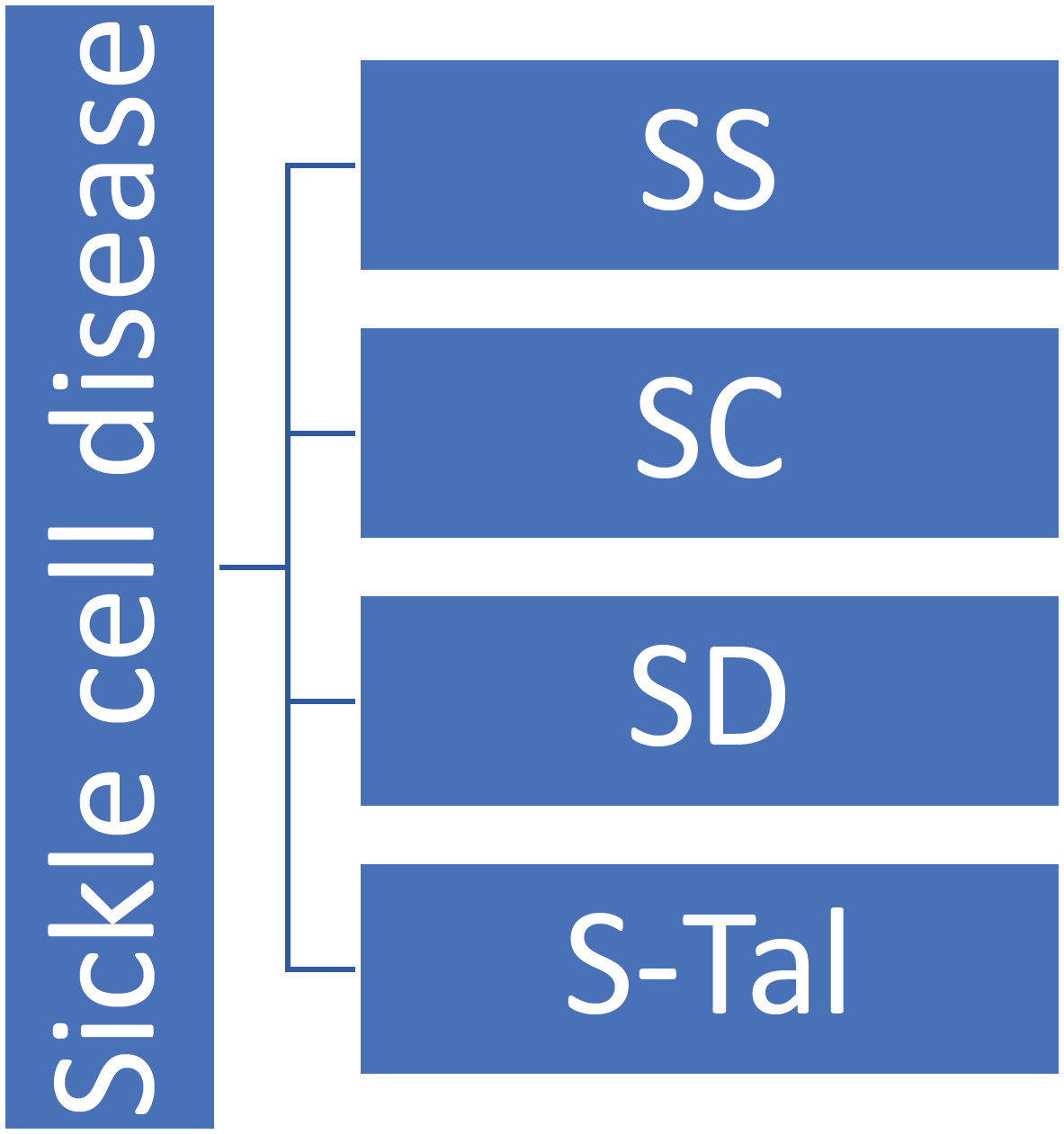
Sickle cell disease is a hereditary, autosomal recessive pathology caused by the replacement of adenine by thymin in position 6 of the beta globin gene, producing anomalous hemoglobin (hemoglobin S- HbS). It is characterized by a chronic inflammatory state with hemolytic anemia and vaso-occlusive phenomena and occurs when the HbS gene is in homozygosis (SS) or heterozygosis, in association with other variant hemoglobins (SD, SC, SE) or thalassemia (). Sickle cell disease is recognized by the World Health Organization (WHO) as a serious public health problem, and, despite advances in treatment, patients with sickle cell disease have a life expectancy of nearly 30 years lower than the general population.

About 4% of the Brazilian population has a sickle cell trait, and between 60,000 and 100,000 Brazilians have the disease, which translates into an economic burden of more than US$ 400,000,000/year for the Brazilian society. The number of patients affected by this pathology is increasing due to the evolution of treatment and improvement in early diagnosis, as a result of the institution of neonatal screening. Early identification of the disease is important in reducing its morbidity and mortality, especially with the prophylaxis of infections, which are a significant cause of death in children. This improvement in survival leads to the development of chronic complications resulting from vasculopathy and to more frequent cases of chronic ischemia.

[…]

  • Dyslipidemias
  • Hemoglobinopathies
  • Sickle Cell Anemia
  • Sickle cell disease
Read Full Article
Creative Commons Attribution (CC BY) Creative Commons license
28/11/2022 DOI: 10.36660/ijcs.20220169 Views 1

How to cite this article

EndNote RIS

Electronic Document Format (Vancouver)

Azevedo-Silva F. Lipids and Sickle Cell Disease. International Journal of Cardiovascular Sciences 2022;35(6):780-3.

Electronic Document Format (ABNT)

Azevedo-Silva, Fernanda. Lipids and Sickle Cell Disease. International Journal of Cardiovascular Sciences, v. 35, n. 6, p. 780-783, Nov. 2022.

Electronic Document Format (APA)

Azevedo-Silva, F. (2022). Lipids and Sickle Cell Disease. International Journal of Cardiovascular Sciences, 35(6), 780-783.

Electronic Document Format (ISO)

Azevedo-Silva, Fernanda. Lipids and Sickle Cell Disease. International Journal of Cardiovascular Sciences [online]. 2022, vol. 35, n. 6, [cited 2026-10-14], pp. 780-783. Available from: <https://journals.cardiol.br/en/article/lipids-and-sickle-cell-disease/>. ISSN 2359-4802

  • About ABC Family
  • Internal Regulation
  • Editorial Board
  • Brazilian Society of Cardiology (SBC)

Issues

SBC Guidelines

  • Videos
  • Podcasts
  • News