Endocardial Left Atrial Appendage Closure for Stroke Prevention in Patients Undergoing Cardiac Surgery: Meta-Analysis
Abstract
Background:
Prior studies have confirmed that left atrial appendage closure (LAAC) reduces stroke risk. However, most analyses combined various closure techniques. The specific effect of the endocardial suture technique alone remains unclear. Furthermore, follow-up showed variable rates of complete closure after endocardial suturing. Whether it could consistently prevent stroke in real-world practice was debated.
Objective:
This study aimed to evaluate the effectiveness and safety of concomitant endocardial LAAC during cardiac surgery, with or without other cardiac conditions, to prevent cerebrovascular events.
Methods:
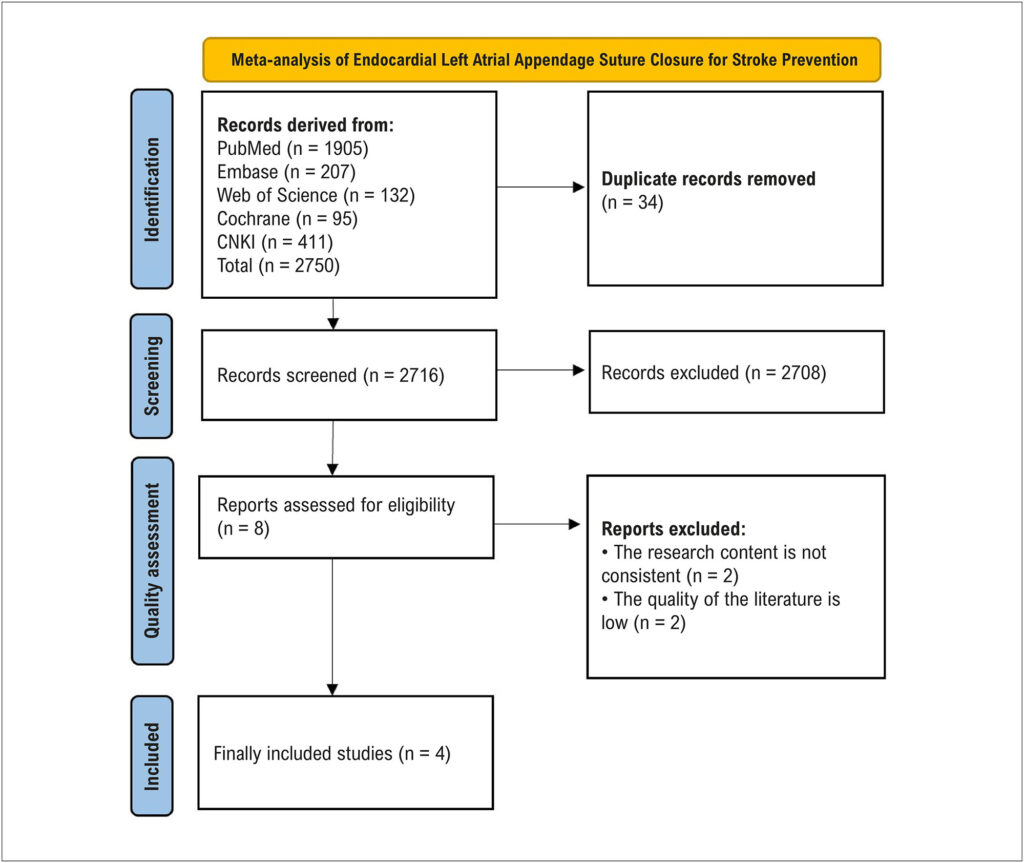
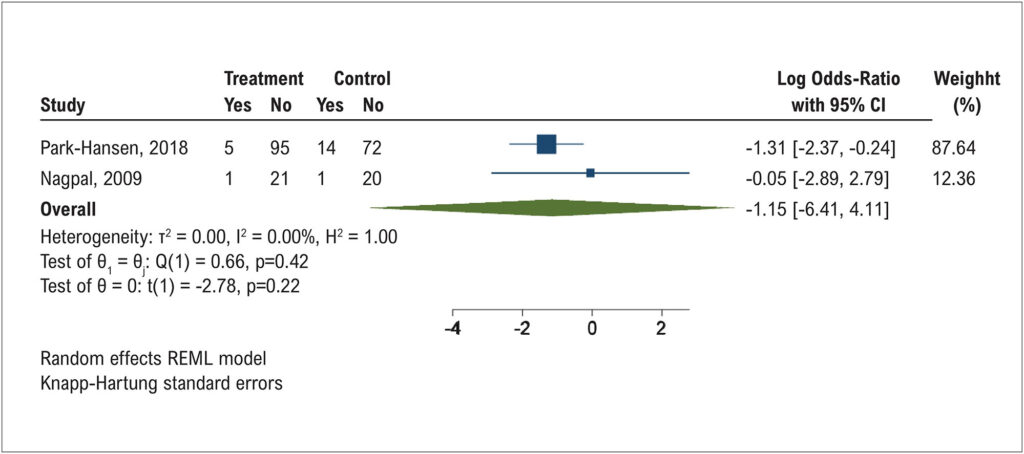
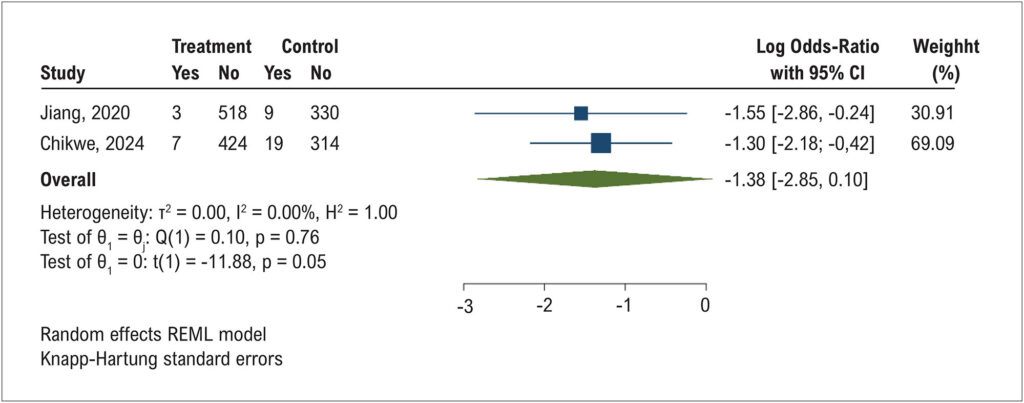
Adhering strictly to PRISMA guidelines, we systematically searched PubMed, EMBASE, and other databases (from inception to January 2025) for studies comparing stroke risk in patients undergoing cardiac surgery with versus without LAAC. Literature screening was performed independently by two investigators, with disagreements resolved by a third. To assess robustness, we performed a sensitivity analysis stratified by study design using a random-effects REML model with Knapp-Hartung adjustment. A two-sided alpha level of 0.05 was set for hypothesis testing in the meta-analysis. Four studies involving 1853 patients (LAAC group: n=1074; no LAAC group: n=779) were included.
Results:
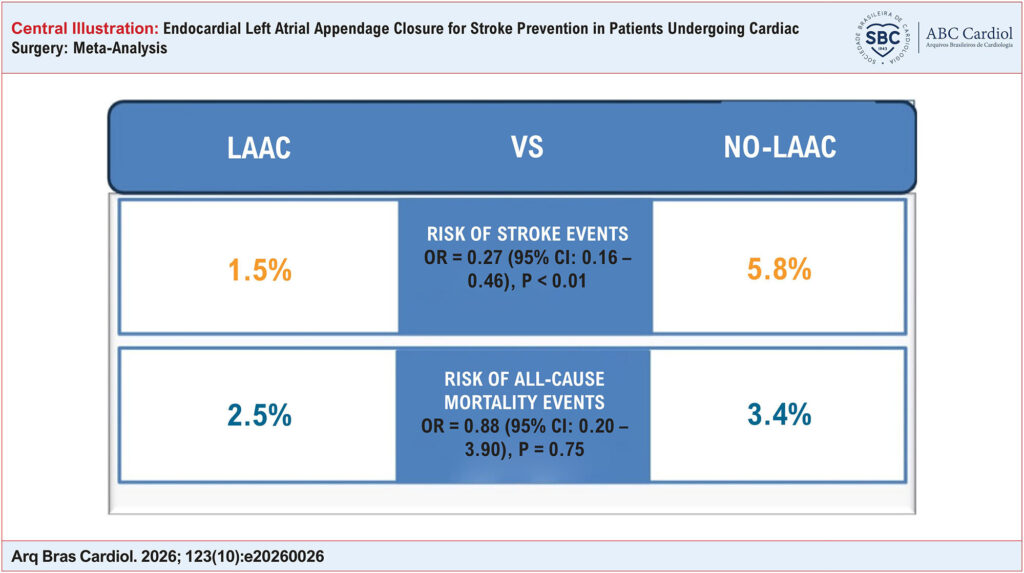
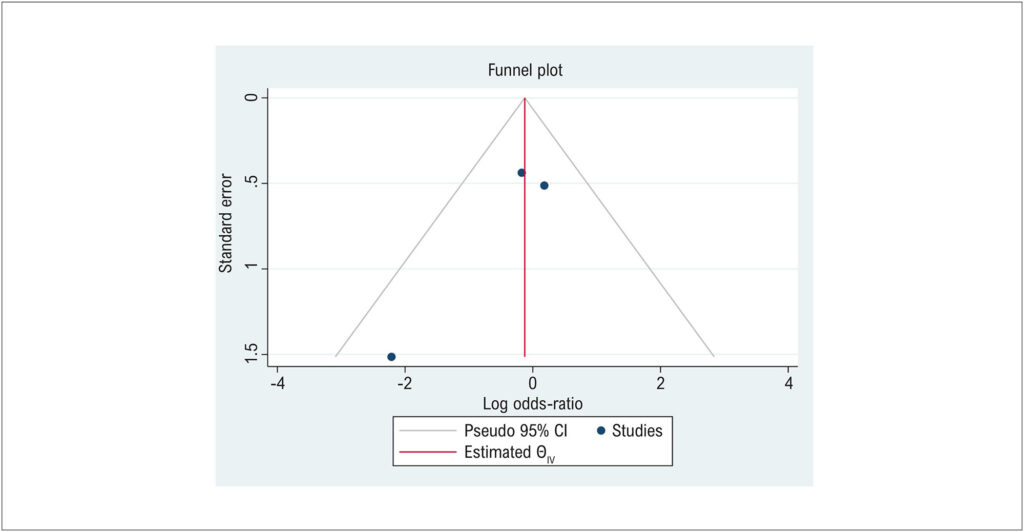
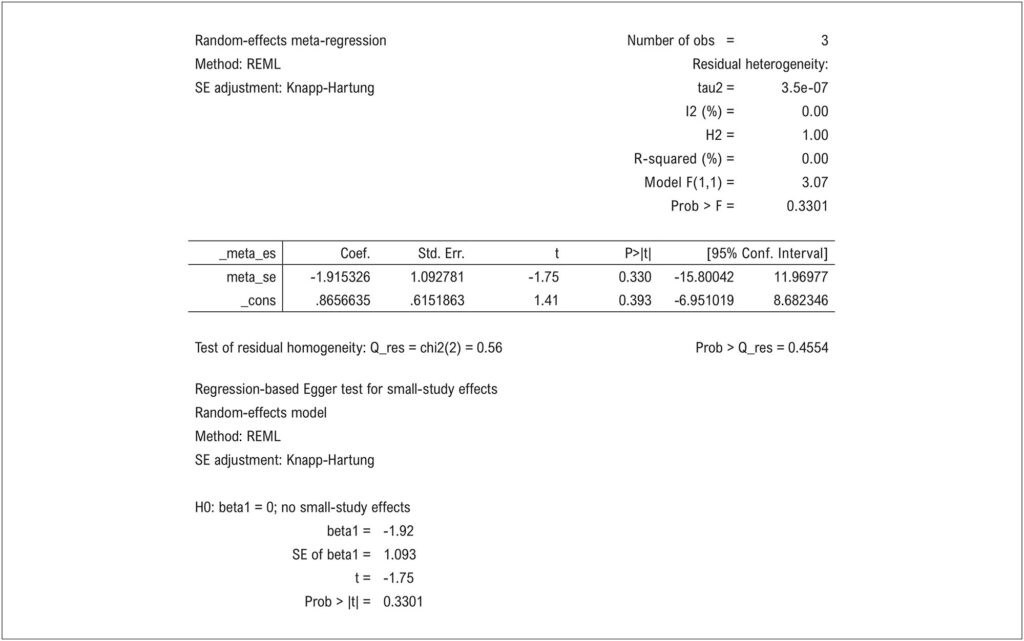
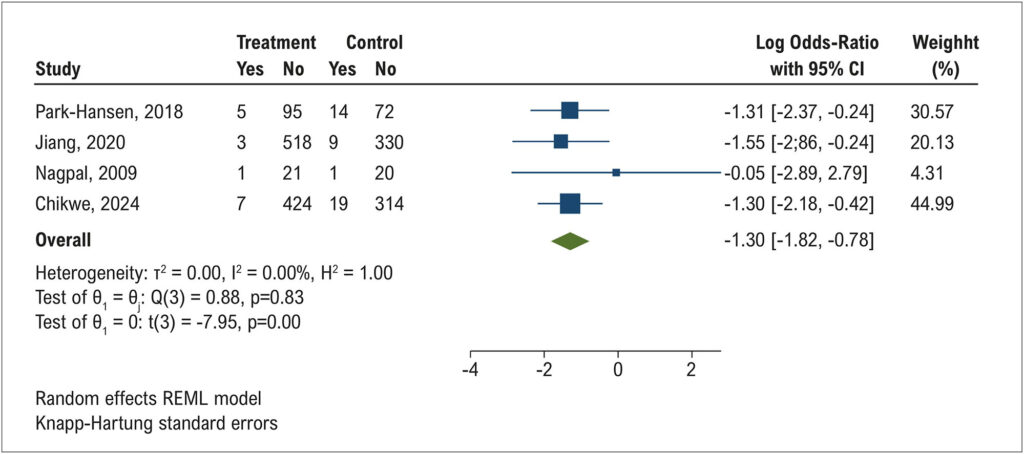
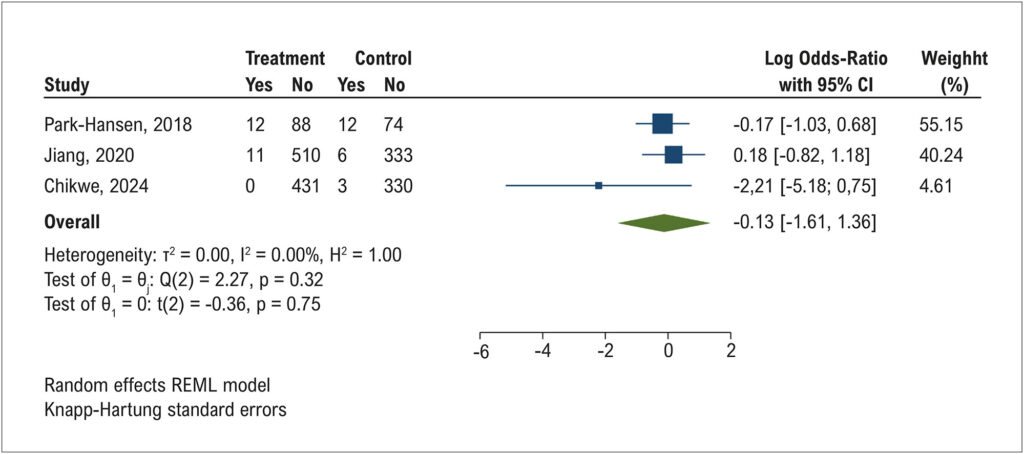
The incidence of strokes was significantly lower in the LAAC group than in the no-LAAC group, resulting in a 73% relative risk reduction. There was no significant difference in all-cause mortality between the two groups (p=0.75). Heterogeneity analysis indicated stable results. In the sensitivity analysis, the RCTs subgroup did not reach statistical significance (p=0.22), while the RCSs subgroup showed borderline significance (p=0.05); the overall significant result was driven by increased statistical power when pooling all studies.
Conclusion:
Concomitant endocardial LAAC was associated with a significant reduction in the risk of cerebrovascular events (1.5% vs. 5.8%, OR=0.27, 95% CI: 0.16–0.46, p<0.01). Sensitivity analysis confirmed the direction of benefit across study designs, though evidence from RCTs remains limited.
Images
Image gallery fullscreen viewer
Comments are moderated by the editorial team before publication. Discussions should be evidence-based and use scientific language. Conflicts of interest should be declared.