Carcinoid Heart Disease: A Case Report and Literature Review
Introduction
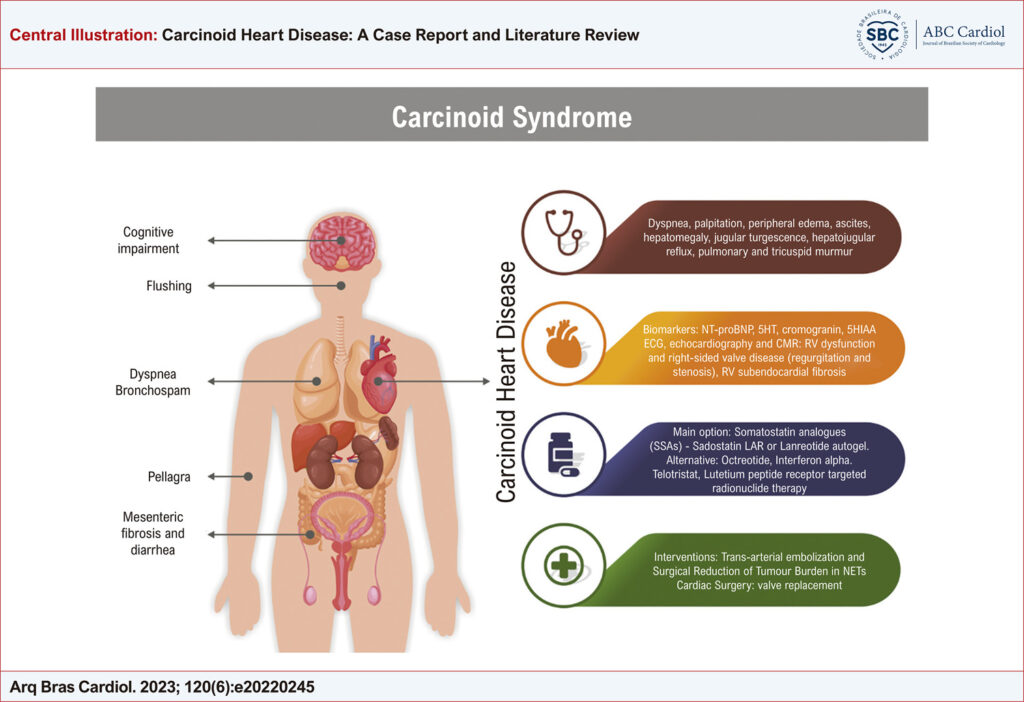
Carcinoid syndrome (CS) is a paraneoplastic syndrome frequently diagnosed in patients with neuroendocrine tumors (NETs) associated with the secretion of humoral factors. These factors include serotonin (5-HT), which appears to be the most common substance associated with the syndrome, as well as histamine, kallikrein, prostaglandins, and tachykinins. Among patients diagnosed with NETs located in the duodenum and small intestine, approximately 20% will develop CS during follow-up. The presence of CS is strongly associated with a higher tumor grade and stage and is associated with shorter survival than in patients without CS.
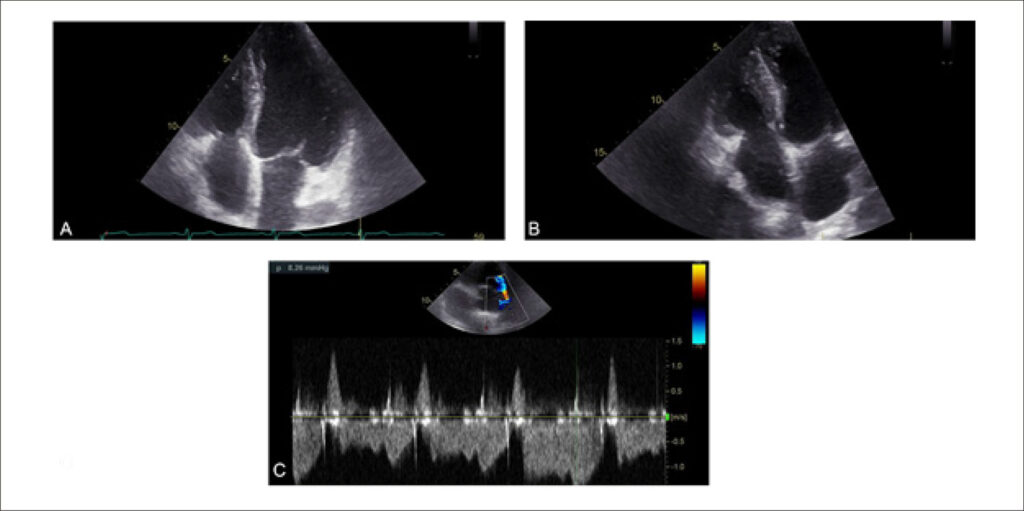
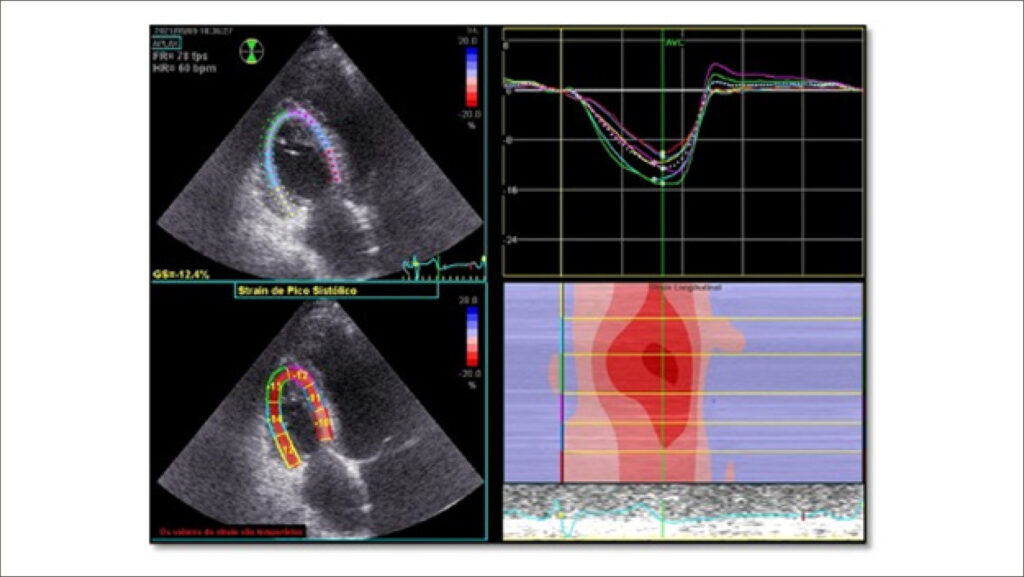
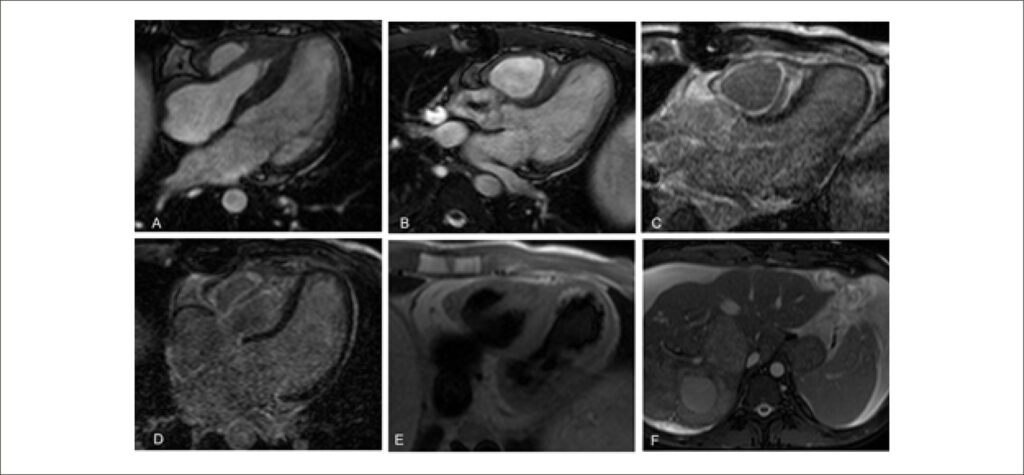
Symptoms and signs related to CS are flushing, diarrhea, abdominal pain, bronchospasm, pellagra, carcinoid heart disease (CHD) and mesenteric fibrosis. CHD is characterized by the involvement of the right-sided heart valves (mostly tricuspid and pulmonary regurgitation), leading to right ventricular (RV) dilatation and dysfunction. Heart disease is usually found in patients with a high burden of disease, notably patients with metastatic tumors. The presence of CHD is associated with a worse prognosis and high mortality rates. , The most common findings of CS are described in the .
[…]
Images
Image gallery fullscreen viewer
Comments are moderated by the editorial team before publication. Discussions should be evidence-based and use scientific language. Conflicts of interest should be declared.